
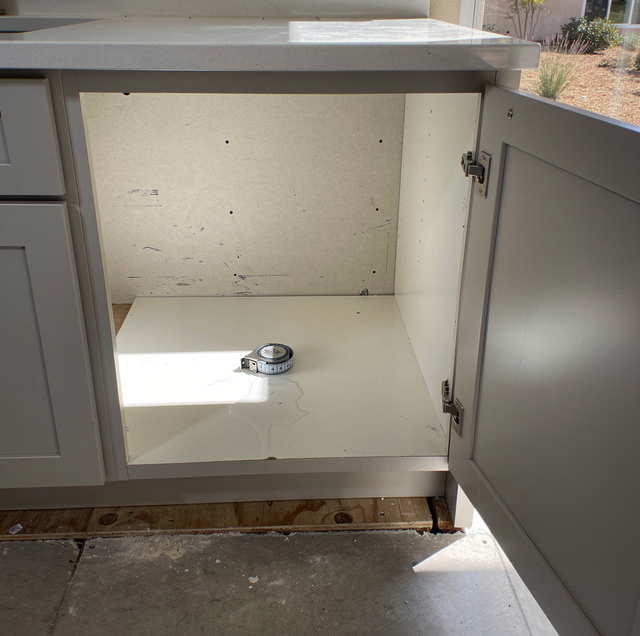
No Hookup Yet? What a New Dishwasher Install Requires
The new dishwasher is still half out of its box, cardboard peeled back, when you notice the cabinet beside your sink has nothing waiting for you.
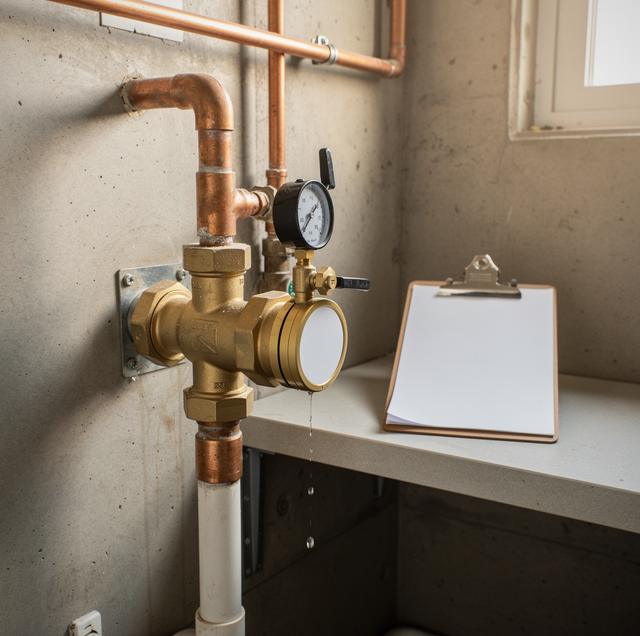
Why Backflow Preventers Fail Their Annual Test
A backflow preventer's job is simple to describe and easy to take for granted until a test flags it: keep water flowing in one direction only, out toward a fixture, an irrigation system, or a piece of commercial equipment, and never back into the potable supply.
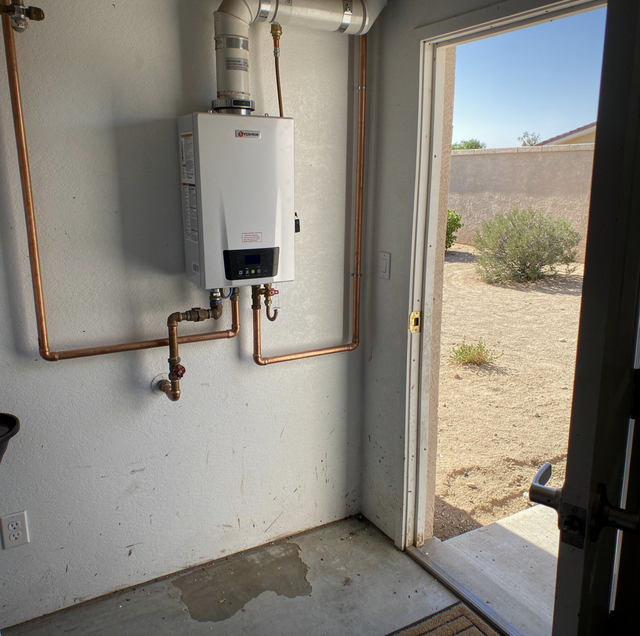
Tank vs. Tankless Water Heater: Is Converting Worth It?
A tank water heater fails, or a homeowner simply gets tired of running out of hot water mid-shower, and the tankless option comes up.
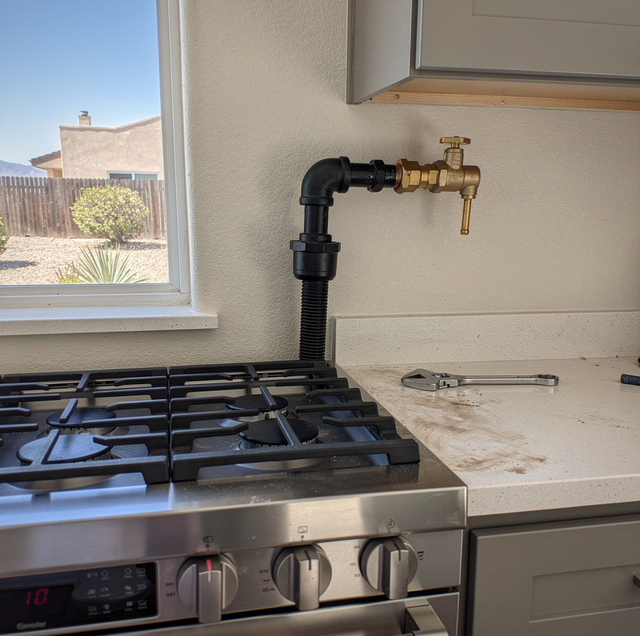
What It Takes to Run a Gas Line to a New Appliance
Can the gas system already running through a house actually support one more appliance? That's the question a load calculation answers before any pipe gets cut, and it's the part of the job a lot of quotes skip past on the way to talking about the range, the pool heater, or the fire feature itself.
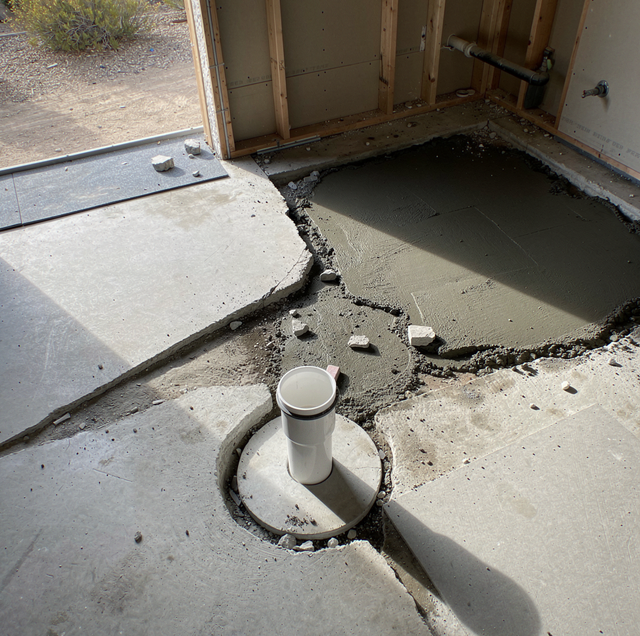
Relocating a Toilet or Shower? What Plumbing Moves Too
A bathroom remodel plan usually starts with where things should go: toilet against this wall, shower where the old tub sat, vanity moved to make room for both.
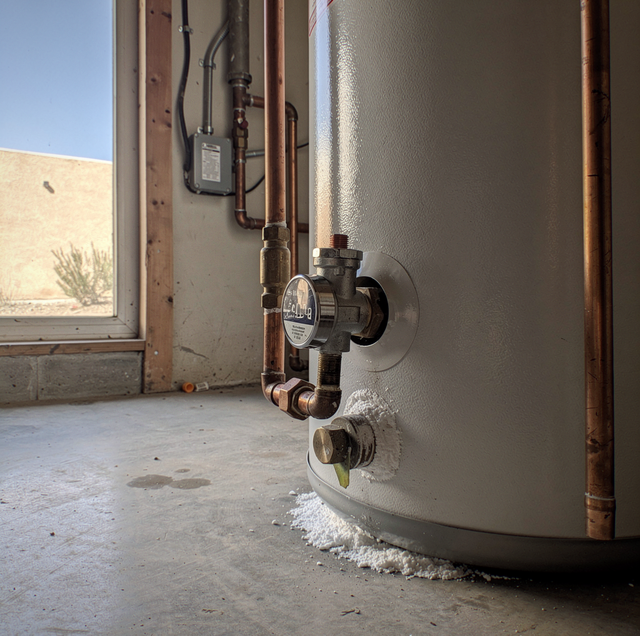
Is Hard Water Quietly Wrecking Your Pipes and Heater?
The common assumption:Hard water is a cosmetic problem, spots on the shower glass, a dull feeling to skin and hair after washing, maybe a chalky residue around the faucet.
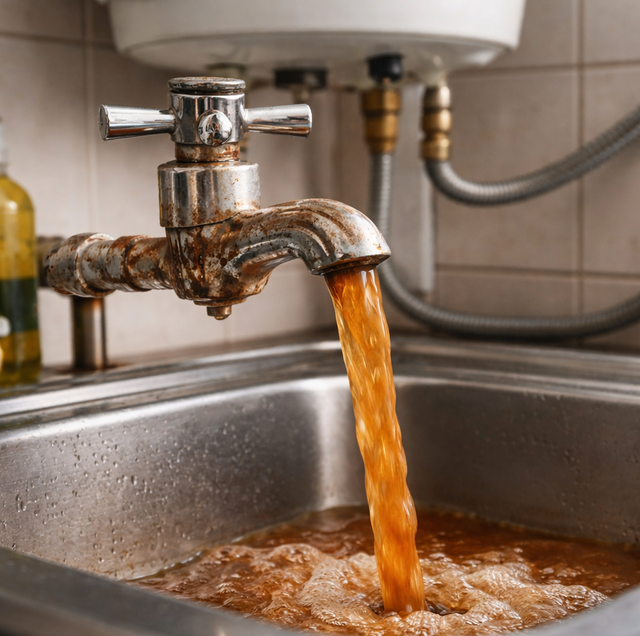
Rusty Brown Tap Water: What Your Pipes Are Telling You
Few things make a homeowner reach for a bottle of water faster than turning on the tap and watching it run the color of weak tea.
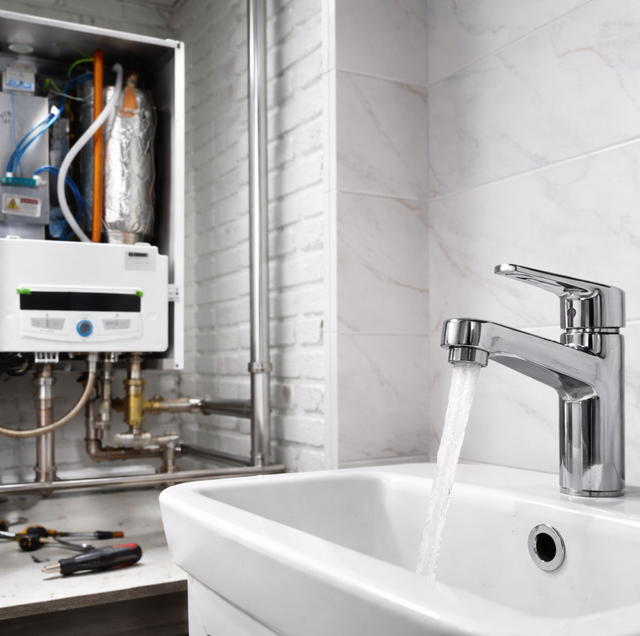
Slow Hot Water at the Tap? 8 Reasons and Real Fixes
You turn the handle to hot, and for ten, twenty, sometimes forty seconds you get nothing but cold.
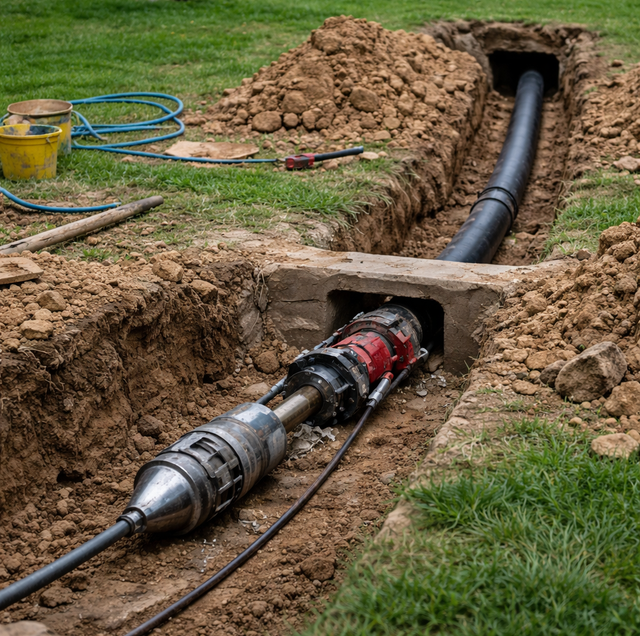
Pipe Bursting: Replace a Sewer Line Without Digging
Your sewer line runs several feet under the yard, and when it fails, the old fix was blunt: rent a backhoe, trench the whole run, and rebuild the lawn afterward.
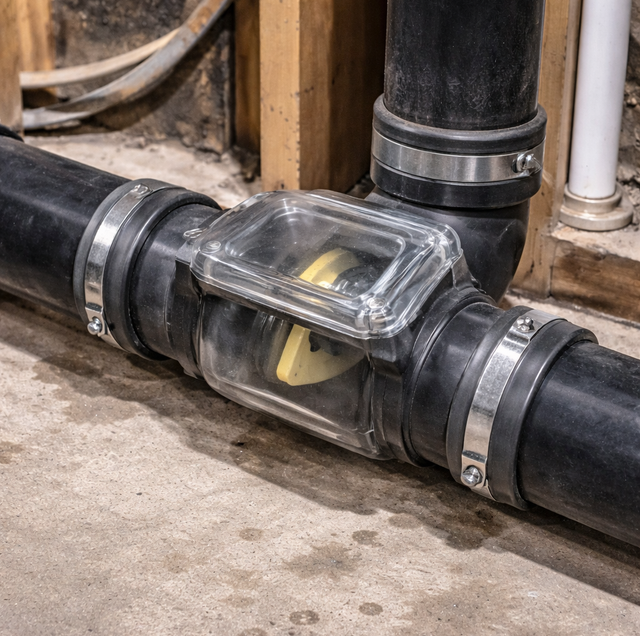
What a Backwater Valve Does to Stop Sewage Backups
A backwater valve is a one-way gate installed in your home's main sewer line. It sits between your house and the municipal sewer, and its job is simple: let wastewater leave and stop anything from coming back the other way.
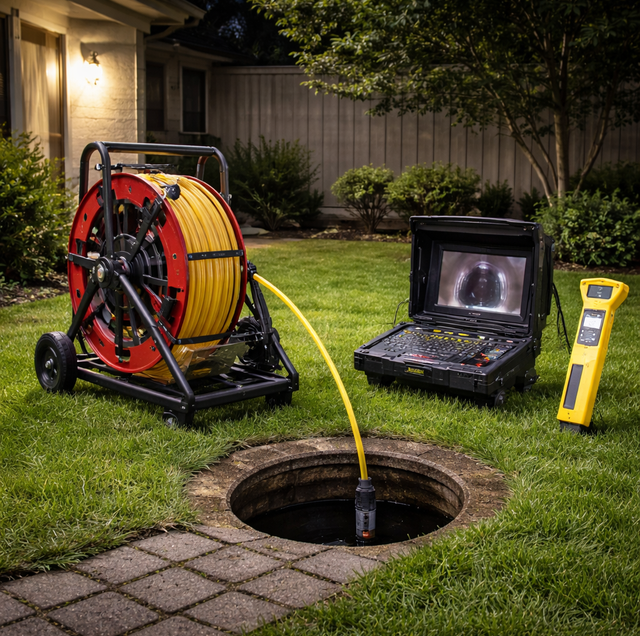
Sewer Camera Inspection Before Buying a Home: 7 Hidden Faults
A general home inspector is a broad generalist. The report covers the roof, the electrical panel, the visible plumbing under sinks, water pressure at the fixtures, and the condition of the water heater.
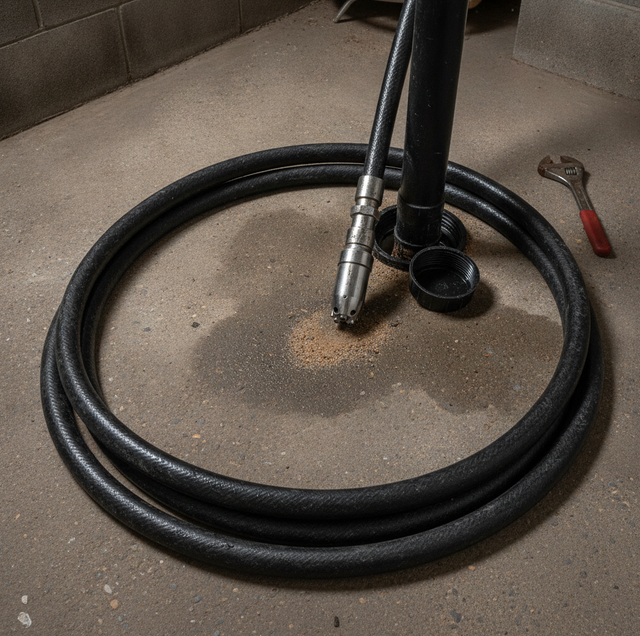
What Is Hydro Jetting and When Your Drain Actually Needs It
A drain that clogs, clears, and clogs again in a few weeks is trying to tell you something. The blockage you keep fighting is usually a symptom, not the whole problem, and the tool most homeowners reach for only treats the symptom. Hydro jetting is the method that goes after the underlying buildup, and understanding how it works makes it easier to know when it's worth calling for and when a simpler fix will do.
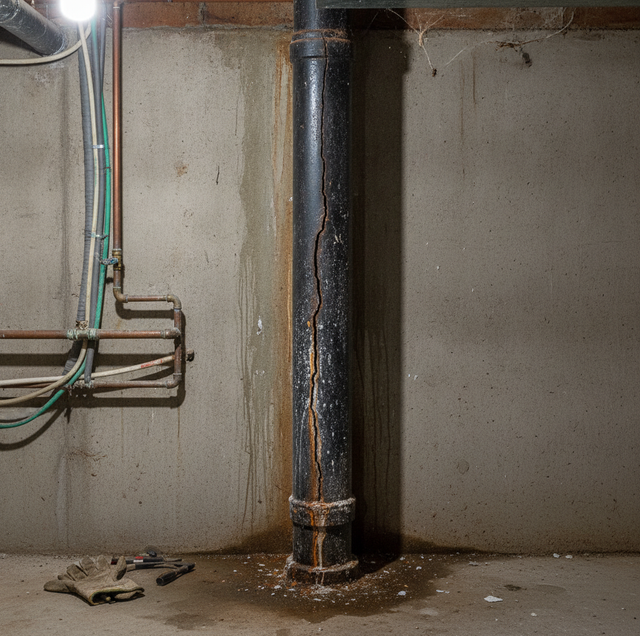
How Long Does a Cast Iron Sewer Line Last? What Homeowners Miss
If your home was built before the 1970s, the pipe carrying waste out to the main is almost certainly cast iron. It was the standard material for decades, and much of it is still doing its job. The question owners of older houses eventually ask is a fair one: how much longer can it last, and how do you know when it has reached the end?
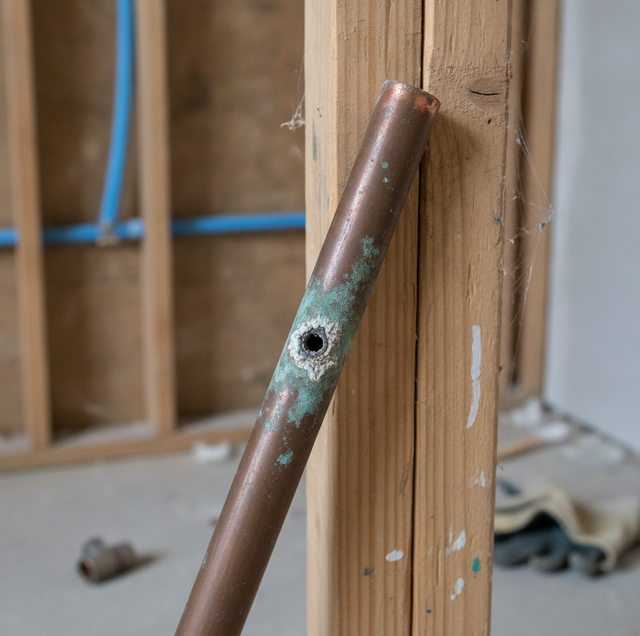
Copper vs. PEX Repipe: Which Actually Lasts Longer?
When the same wall keeps getting opened up for another leak, or the water pressure has faded to a trickle, a whole-house repipe stops being optional. The next question is the one that stalls most homeowners: copper or PEX? Both are the standard choices, both are sold as lasting decades, and both have real weaknesses that only show up years later. The right answer is not universal. It depends on what your water is doing to the pipe, where the pipe has to run, and how the two materials fail when they finally do.
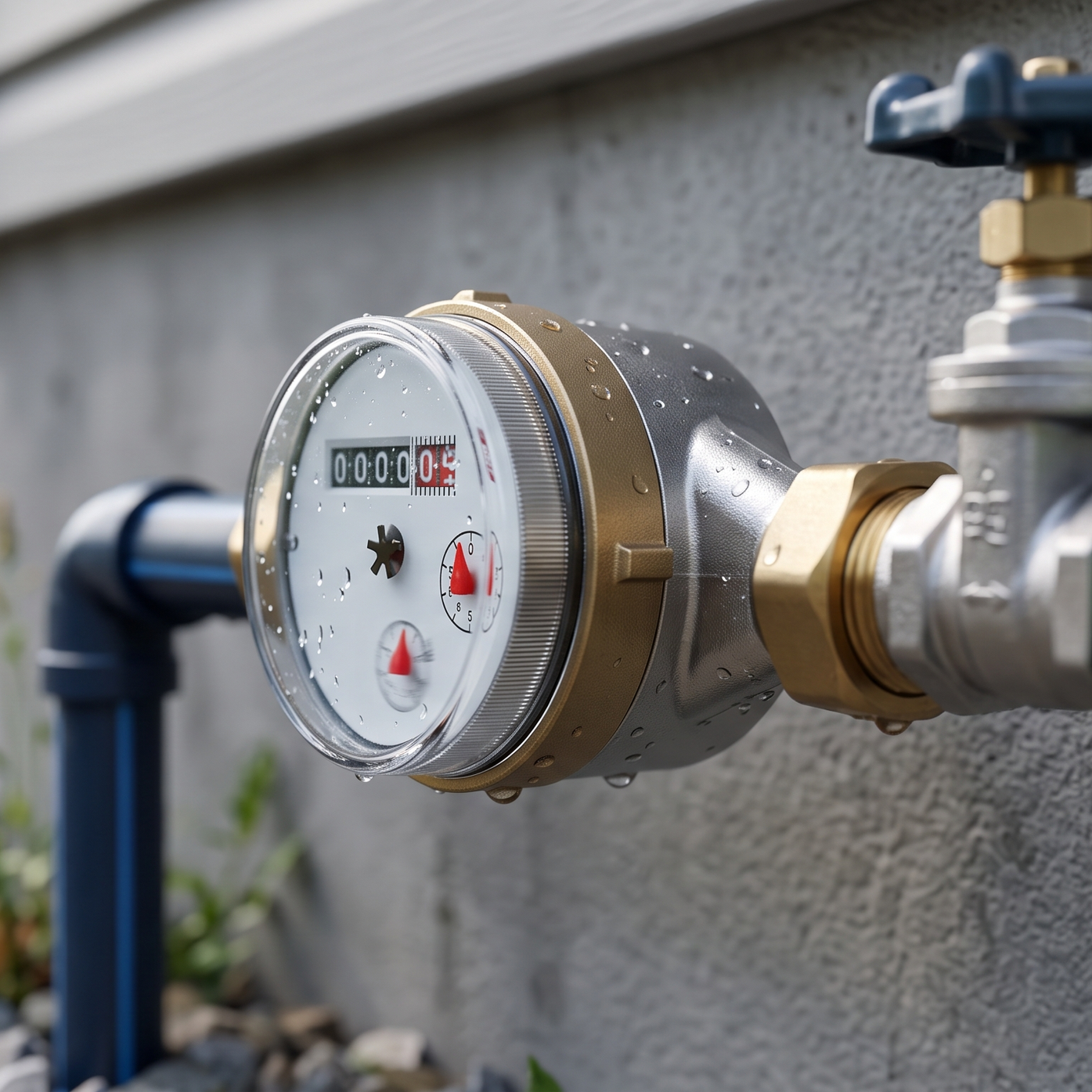
Why Is My Water Bill Suddenly High With No Leak?
Two bills land back-to-back, and the second is far higher, yet nothing in the house looks wrong. No dripping faucet, no puddle under a sink, no stain on a ceiling. A jump that big with nothing to see is one of the more maddening plumbing situations, because the water clearly went somewhere. The good part is that a high bill with no visible leak nearly always traces to a short list of usual suspects, and you can work through most of them yourself before anyone comes out.
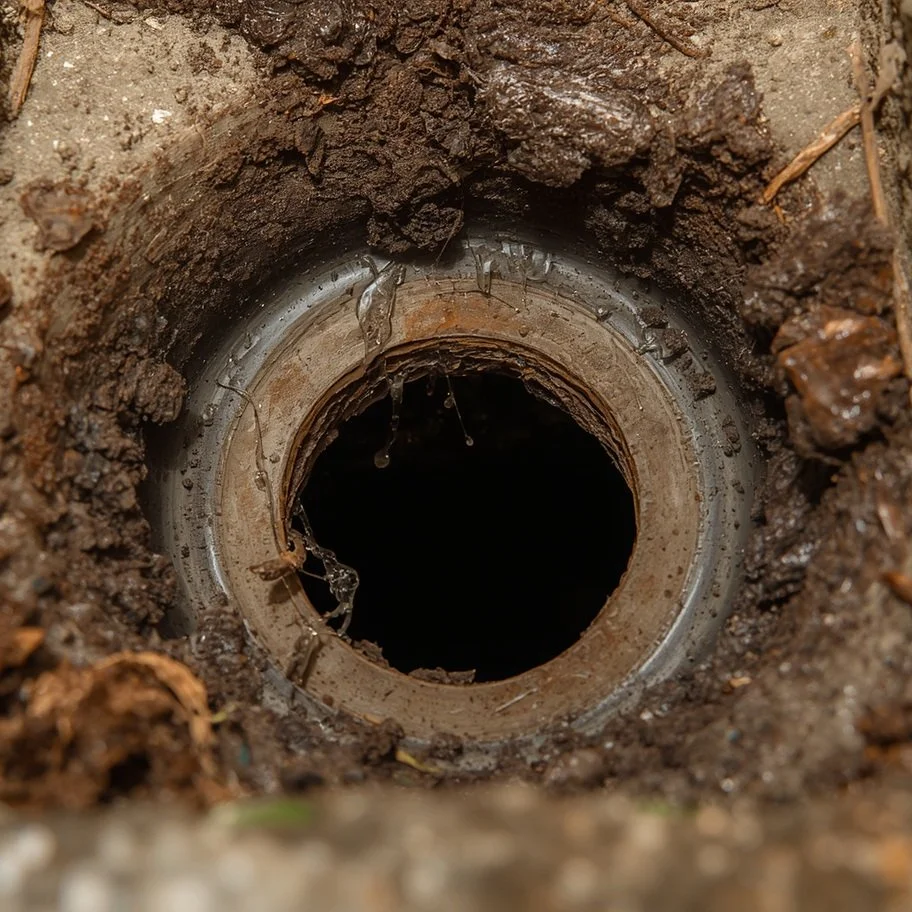
Sewer Backing Up Every Few Months? What Keeps Doing It
The first backup felt like bad luck. A plumber ran a snake, the drain cleared, and everybody moved on. Then four months later, the toilet gurgles, the shower drain burps up gray water, and you're standing in the same mess, wondering why. That pattern, clear it, lose it, clear it again, is the tell. A sewer that backs up on a rough schedule isn't getting clogged by accident. Something is wrong with the pipe itself, and the clog is just the part you can see.
Water Heater Leaking From the Bottom? Why It Usually Means Replace
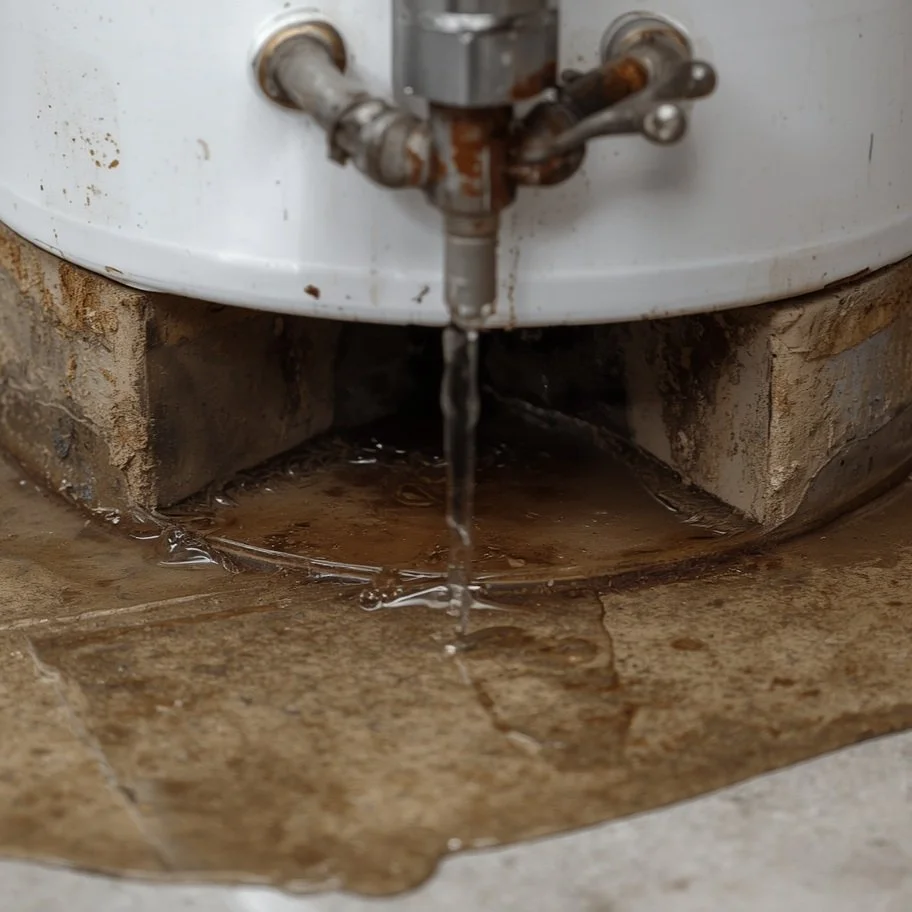
You go to grab something from the garage, and your sock gets wet. There's a puddle spreading out from under the water heater, and the base of the tank is damp or rusty. First instinct is to find someone to fix it. But where the water is coming from determines whether this is a cheap repair or a new heater, and a leak at the bottom most often means the tank is finished. Before you panic or write a check, it's worth knowing what actually leaks down there and why.
How Plumbers Pinpoint a Slab Leak Without Tearing Up the Floor
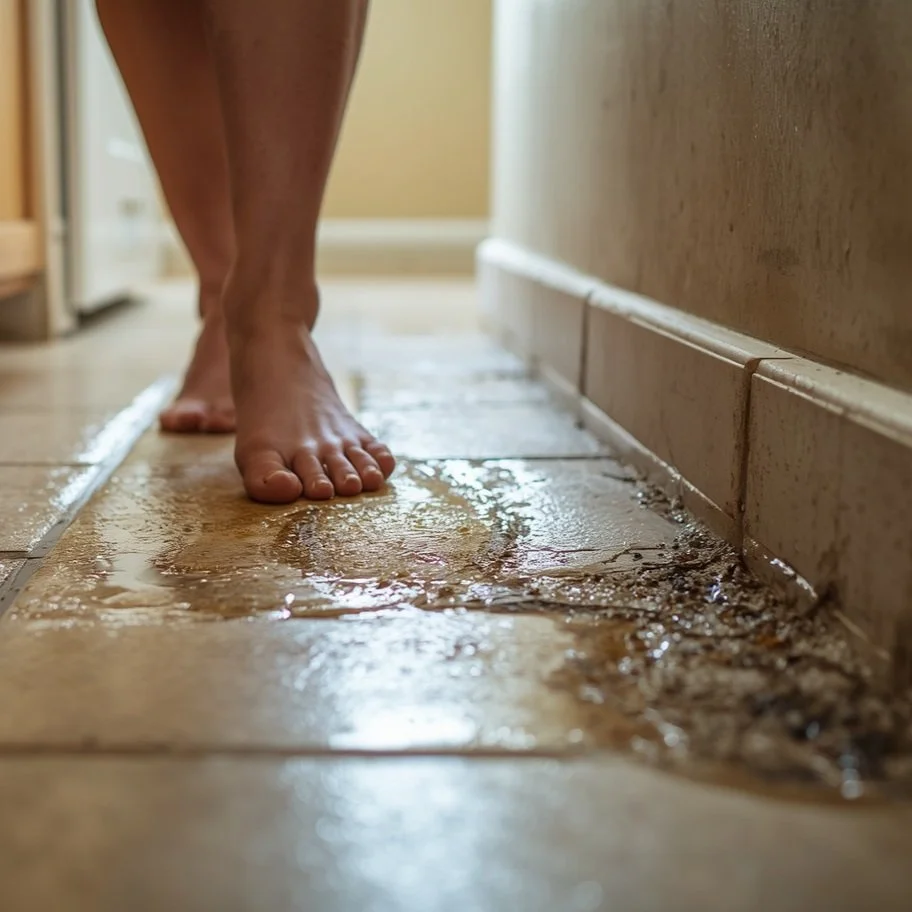
You set a bare foot down in the hallway, and one patch of tile is warm, like something under it is running. The water bill jumped, nobody changed their habits, and there's a faint hiss in a quiet house at night. That's the start of a slab leak, a pipe leaking under the concrete your house sits on. The good news is that a plumber doesn't have to open the whole floor to find it. The work is mostly detective work, and the digging comes last.
Galvanized Pipes Rusting Shut? When to Repipe Before a Burst
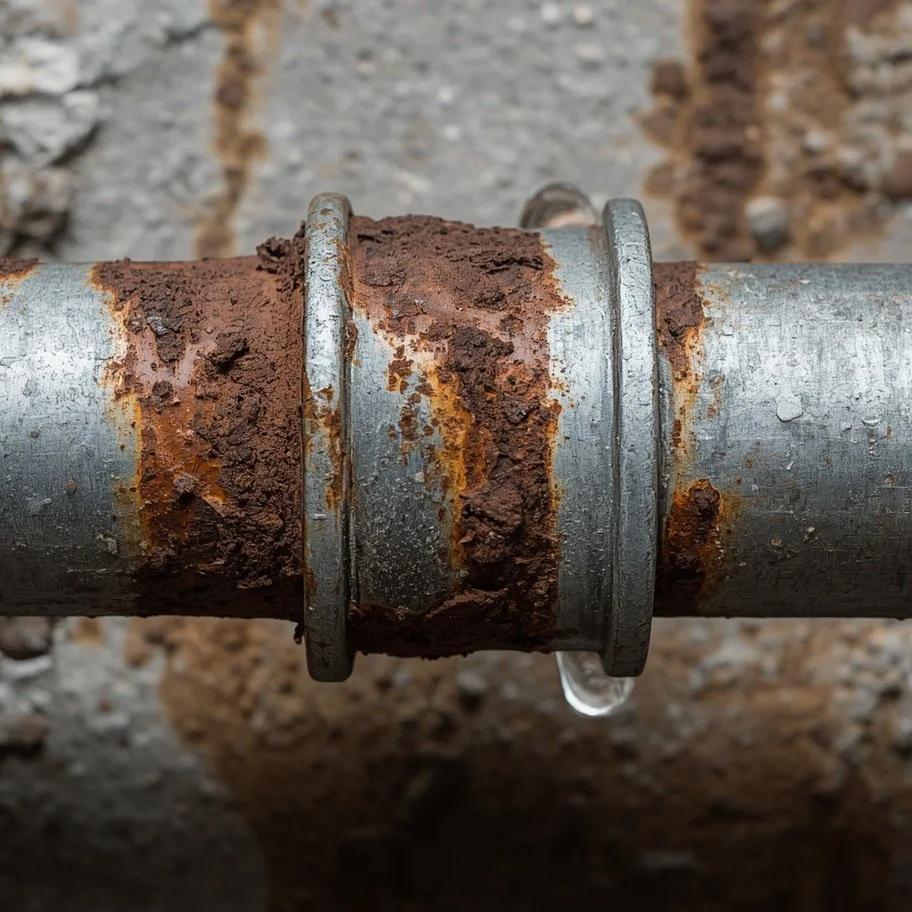
You run the kitchen tap first thing in the morning, and the water comes out tea-colored for a few seconds before it clears. Pressure in the upstairs shower has been fading for a year. The pipes you can see in the basement or crawlspace show rusty crust where they screw into the fittings. None of it is dramatic, so it's easy to live with. That's exactly the trap with galvanized pipe. It corrodes quietly for decades, and then one day a thin spot gives out under household pressure, and you've got water pouring through a ceiling.
Trenchless Sewer Repair vs Digging: Is No-Dig Worth It?
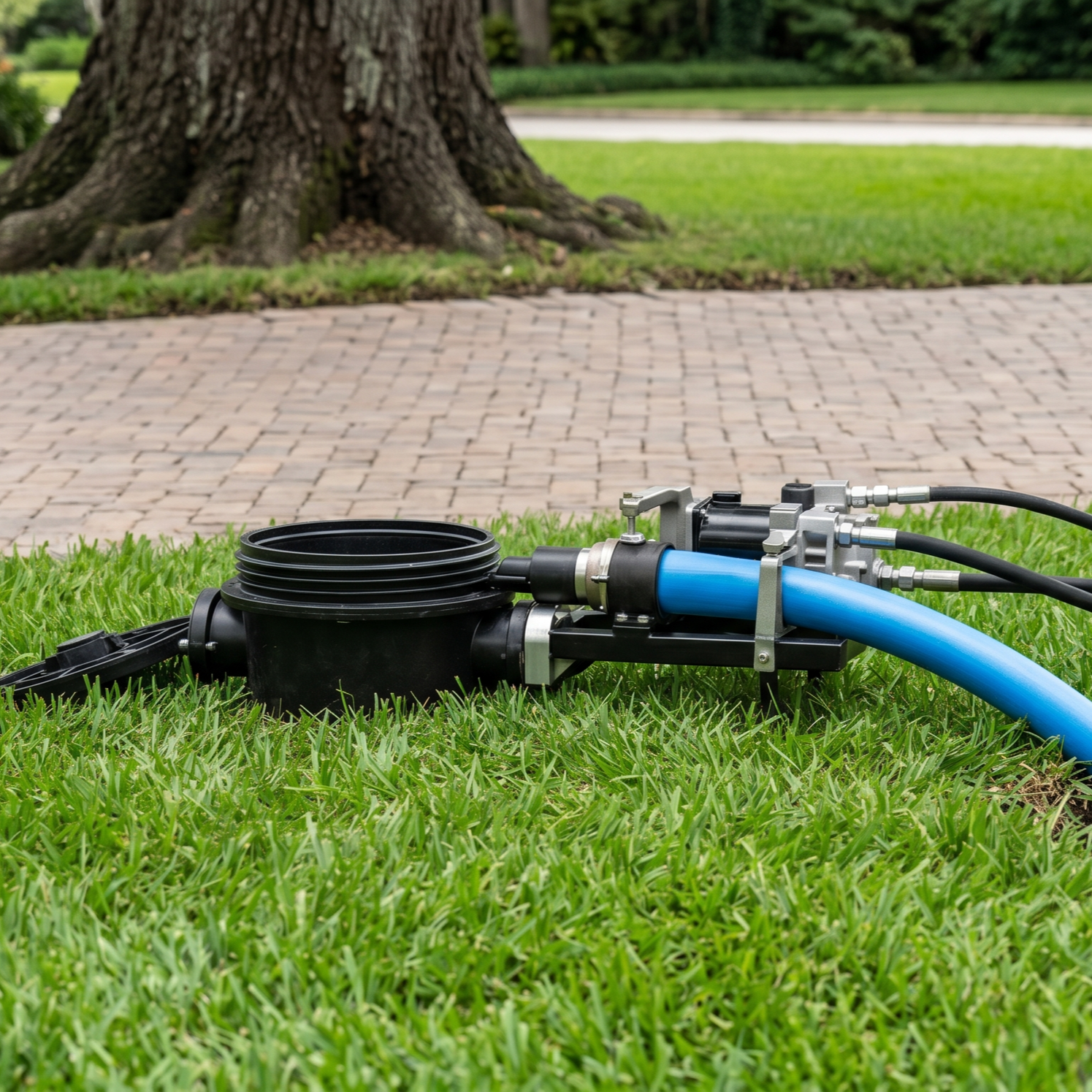
The plumber comes up from the clean-out with the bad news: the sewer line has to be fixed, and it runs straight under your driveway and a tree that's older than you are. Your first picture is a backhoe, a trench across the yard, and a season of mud. That used to be the only option. It isn't anymore. The real question now is whether to dig or repair the pipe from the inside without opening the ground. Which one is worth the money depends on what your line looks like and what's sitting on top of it.