
What To Expect During A New Plumbing System Installation In Your Home
You keep picturing torn drywall in the hallway and water shut off for days, and you are wondering if your house will ever feel normal again. A new plumbing system installation sounds clean on paper, but in a lived-in home, it feels loud, dusty, and disruptive before it feels better.
Most homeowners start researching plumbing system installation after living with a deeper problem for a while. Maybe your water pressure has dropped to a trickle in the upstairs shower. Maybe the kitchen sink bangs every time you shut it off. The primary frustration usually starts with daily inconvenience, standing in a lukewarm shower or waiting forever for hot water, and then grows into fear about leaks behind walls and rising repair bills. By the time you are considering a full plumbing system installation, you are not excited about upgrades. You are tired of patchwork fixes and nervous about what the process will involve.
I have walked through plenty of homes where families feel anxious about what lies ahead. As a plumbing contractor with Plumbing Professionals, I can tell you that understanding the process removes a lot of that fear. When you know what actually happens during a plumbing system installation, the noise and temporary disruption feel purposeful instead of chaotic.
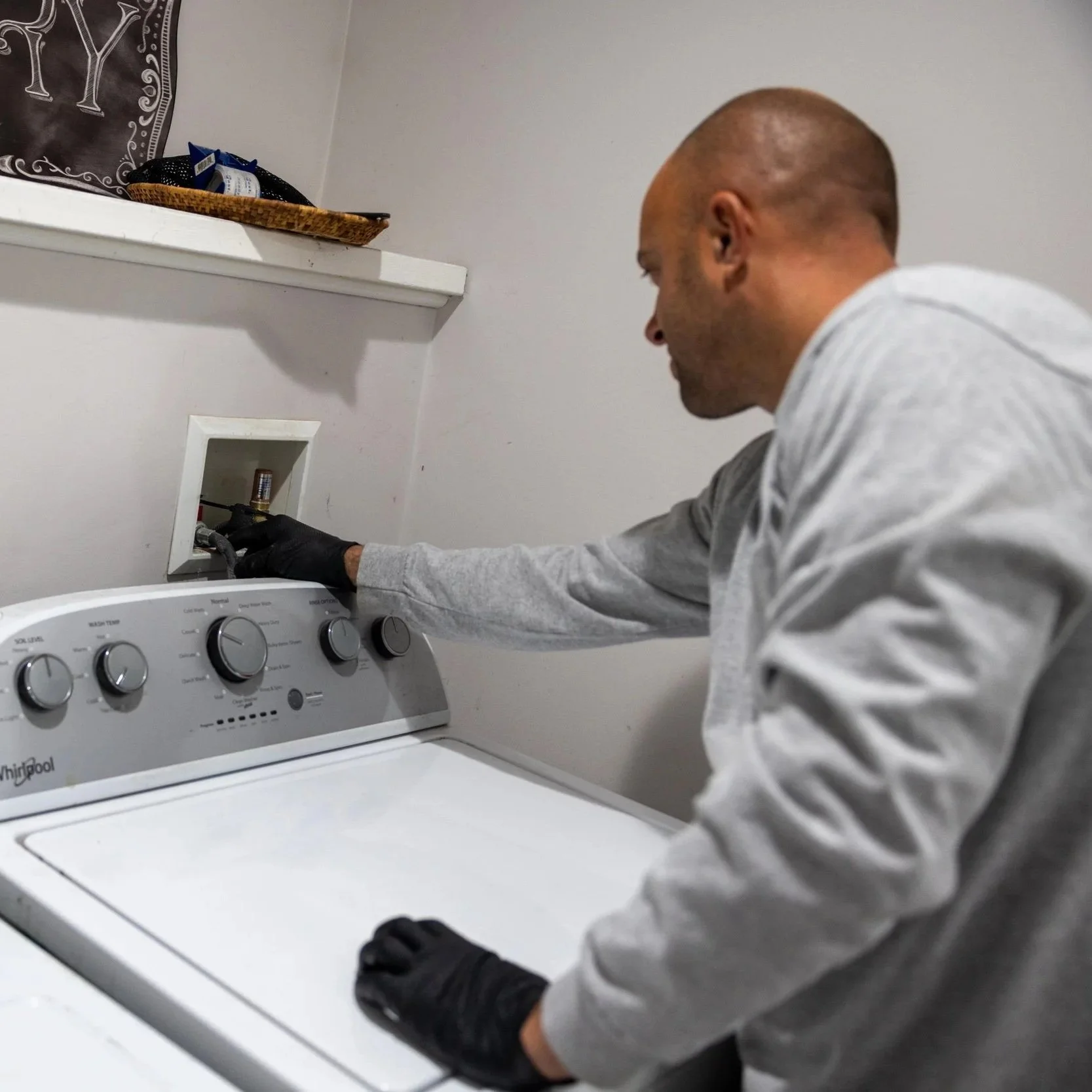
Technician operating professional drain inspection equipment during commercial plumbing installation project to ensure proper pipe connections and system performance.
Why Your Plumbing System Fails Quietly For Years
A plumbing system installation rarely happens in a brand-new home alone. More often, it becomes necessary in older houses where pipes have aged past their intended lifespan. Galvanized steel corrodes from the inside. Older copper develops pinhole leaks. Polybutylene lines from past decades crack under pressure. The system may look fine from the outside, but internally it restricts flow and weakens over time.
Homeowners often misunderstand how gradual the decline is. You adapt to lower pressure. You accept that a faucet may run rusty for a second. You get used to the bathroom sink draining more slowly than it used to. What feels like a minor inconvenience is often the early stage of systemic failure. When corrosion builds up inside supply lines, water flow drops. When joints weaken, leaks form inside walls that you cannot see. Ignoring those signs can lead to soaked insulation, mold growth, and costly structural repairs.
A full plumbing system installation replaces those aging components with modern piping designed to handle current water demands. Today's households use more water than homes built decades ago ever anticipated. Multiple bathrooms, dishwashers, washing machines, and irrigation systems all rely on steady pressure. Upgrading the system is not just about stopping leaks. It is about restoring performance and reducing long-term risk.
What Actually Happens When We Open The Walls
One of the first things homeowners type into a search bar is "how messy is a plumbing system installation?" That question makes sense. Nobody wants their home turned into a construction zone without warning.
During a full plumbing system installation, sections of drywall must be opened to access existing supply and drain lines. Access points are chosen strategically. We do not randomly tear through walls. We locate plumbing runs, map out the most efficient replacement route, and open only what is necessary to remove old piping and install new lines. Floors are covered. Furniture is moved or protected. Work areas are contained as much as possible.
Noise is part of the process. Cutting pipe, removing old fittings, and securing new lines creates sound. Water service is temporarily shut off during key stages. That interruption usually happens in planned windows, not unpredictably. Homeowners who expect a week of chaos are often surprised to find that much of the work follows a clear sequence. Old lines are removed, new supply lines are run, pressure is tested, and then walls are prepared for repair. Understanding that sequence helps you mentally prepare for the temporary disruption.
The Common Mistake Of Thinking Spot Repairs Are Enough
Many homeowners ask, "Can't we just fix the bad section instead of replacing everything?" That is a fair question. In some cases, localized repair makes sense. However, when an entire plumbing system has reached the end of its lifespan, patching one section only postpones the inevitable.
Imagine replacing a single weak link in a long chain while the rest of the metal continues to corrode. Changes in water pressure can shift stress to the next weakest joint. You fix one leak, and another appears months later. That pattern creates ongoing frustration and repeated wall openings.
A full plumbing system installation addresses the entire system. Modern materials like PEX or updated copper offer greater flexibility and corrosion resistance than outdated piping. Replacing the network at once reduces the chance of chasing leaks year after year. Homeowners who try to stretch an aging system often end up spending more cumulatively than they would have on a comprehensive upgrade.
How Long Will A Plumbing System Installation Take?
"How long will we be without water?" is another common search question. The honest answer depends on the size of your home, the layout's complexity, and the condition of the existing pipes. In many cases, water shutoff periods are limited to specific phases rather than the entire project.
Professional plumbers stage the work to minimize disruption. New lines can often be run alongside old ones before final connections are made. That planning reduces the length of time your household is fully without service. Clear communication matters here. Homeowners should know in advance when showers will be unavailable or when laundry needs to be paused.
The total timeline for a plumbing system installation can range from a few days to over a week, depending on the scope of work. Larger homes with multiple bathrooms naturally require more labor. If previous leaks have damaged framing or drywall, additional repairs may extend the project. Setting realistic expectations at the start prevents frustration midway through.
What Gets Upgraded Beyond The Pipes
A plumbing system installation is not just about swapping old pipes for new. Valves, shutoff points, and pressure regulators often get updated as well. Many older homes lack accessible individual shutoffs for fixtures. Upgrading during installation improves future serviceability.
Homeowners often overlook the importance of properly regulating pressure. Excessively high water pressure strains pipes and fixtures, shortening their lifespan. Part of a responsible plumbing system installation includes verifying pressure levels and adjusting them to protect the new system. That detail is easy to ignore but has a long-term impact.
Drain lines may also be evaluated during the process. While supply lines bring water in, drain systems carry waste out. If drain lines show signs of deterioration, addressing them during the same project can prevent future backups. Coordinating upgrades during one major installation avoids reopening walls later.
The Emotional Side Of Tearing Into Your Home
There is no way around it. Watching parts of your walls come open feels uncomfortable. Homeowners often describe a sense of lost control when construction begins. Daily routines change. You may need to coordinate showers around work schedules. Noise interrupts phone calls and quiet evenings.
Acknowledging that stress matters. A plumbing system installation is an investment in the hidden infrastructure of your home, but it temporarily exposes that infrastructure. Knowing that the disruption has a defined purpose helps many homeowners stay grounded. Instead of reacting to each sound or open wall section with anxiety, they can see it as part of a structured upgrade.
When the work is complete, and pressure stabilizes, leaks stop, and hot water arrives consistently, that earlier frustration fades. The daily inconvenience that drove the decision in the first place disappears. Fewer surprise repairs mean fewer unexpected bills and less long-term stress.
Why Professional Planning Changes The Experience
General plumbing services vary widely in approach. Some contractors focus only on the pipe replacement itself and leave coordination to the homeowner. A more comprehensive approach includes mapping the system, discussing material options, and outlining expectations for wall repairs before work begins.
At Plumbing Professionals, we take the time to walk homeowners through the process before any pipe is cut. Clear planning reduces misunderstandings. Knowing where access points will be created and for how long water will be off prevents last-minute panic. Residential plumbing work is technical, but communication is just as important as skill.
Cutting corners during a plumbing system installation leads to problems later. Poorly secured pipes can rattle inside walls. Inadequate support can create stress points. Using outdated materials to save money undermines the purpose of the upgrade. Investing in correct installation practices pays off in performance and peace of mind over time.
