
What To Expect During A Commercial Plumbing Installation Project
You are staring at exposed concrete floors in your Pasadena, CA, and surrounding areas building, and all you can think is, “How long is my place going to look like a construction zone?” Every day the plumbing is not finished feels like lost revenue, frustrated tenants, or customers walking into a half-ready space.
Commercial plumbing installation is one of the most critical phases of any build-out or new construction project. When it goes smoothly, most people barely think about it again for years. When it is rushed, poorly coordinated, or misunderstood, it leads to delays, failed inspections, and costly rework that disrupt your operations long after the ribbon-cutting.
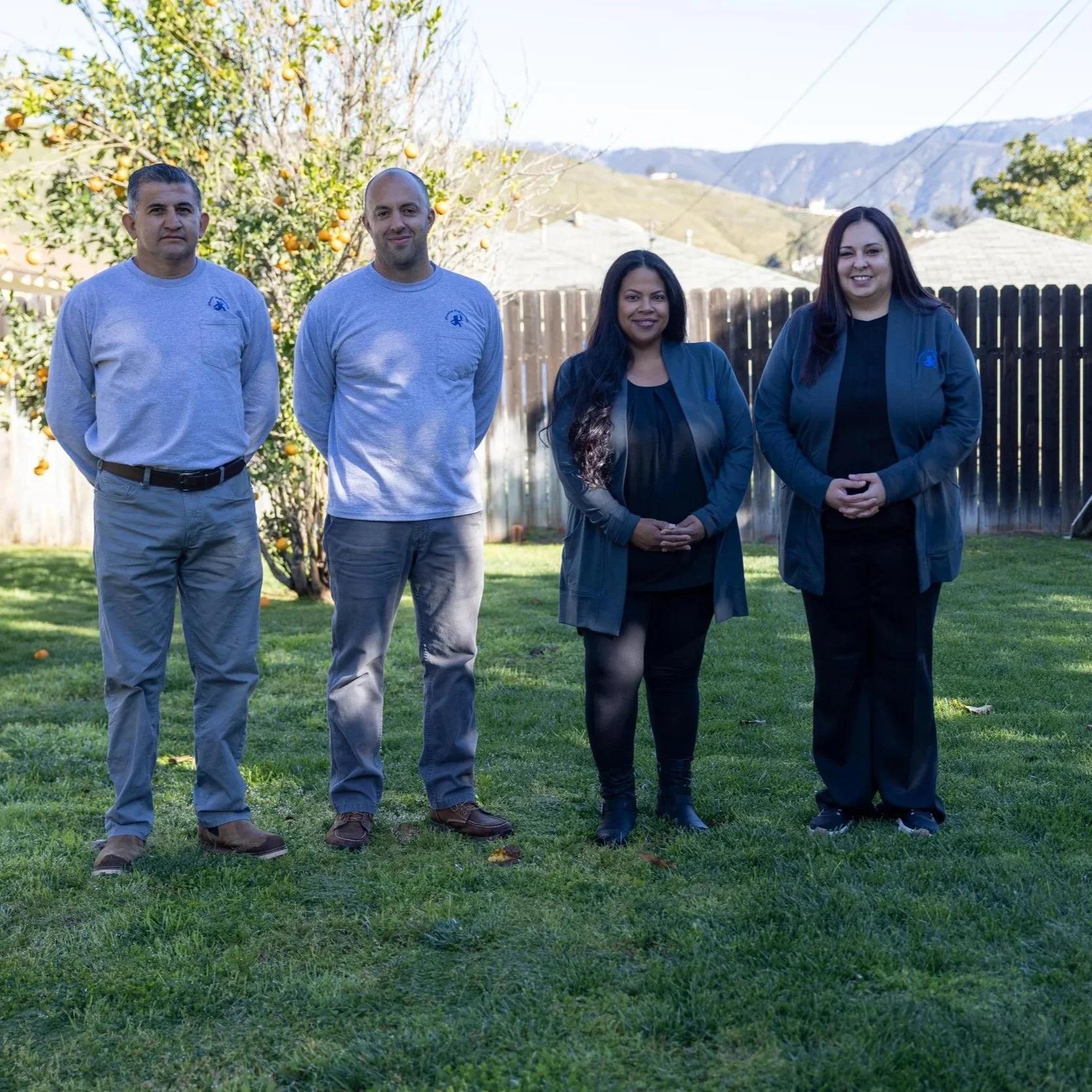
Commercial plumbing team standing together during project site visit, representing professional coordination and planning for commercial plumbing installation projects.
Before The First Pipe Goes In
A commercial plumbing installation project in Pasadena, CA, and surrounding areas does not start with cutting pipe or setting fixtures. It starts with planning. Layout drawings, fixture counts, water-demand calculations, and code-compliance reviews occur long before crews arrive on site. Many business owners assume plumbing simply follows the building’s design. In reality, plumbing design actively shapes the layout of restrooms, kitchens, utility rooms, and mechanical spaces.
Water supply sizing is a major part of early planning. Commercial properties often have simultaneous usage. Multiple sinks, toilets, dishwashers, and specialized equipment may operate simultaneously. Undersizing supply lines creates pressure drops that frustrate employees and customers. Oversights during planning often surface later as complaints about weak flow or inconsistent hot water. A properly designed commercial plumbing installation accounts for peak demand rather than average usage.
Drain and vent planning is equally important. Commercial drainage systems must handle high volumes efficiently. In restaurants and medical facilities, especially, waste lines require careful routing and proper slope. If the slope is miscalculated or venting is inadequate, you will deal with recurring clogs or backups long after construction ends.
Rough-In Phase: Behind The Walls And Under The Slab
Once planning is complete and permits are secured, the rough-in phase begins. Rough-in work involves installing supply, drain, and vent lines, as well as necessary support systems, before walls and floors are finished. In many Pasadena, CA, and surrounding areas projects, rough-in work occurs while other trades are framing walls, installing electrical conduit, and preparing HVAC systems.
Coordination is everything at this stage. Pipes must pass through framing members without compromising the structural integrity of the framing members. Clearances must be maintained from electrical systems. Backflow prevention assemblies and cleanouts must be accessible for future maintenance. A rushed or poorly coordinated commercial plumbing installation at rough-in leads to conflicts with other trades and potential code violations.
Many property owners search, “Why did my plumbing inspection fail?” Rough-in inspections often focus on proper pipe sizing, slope, venting, and support. Inspectors check for code compliance before walls are closed. If something does not meet local standards in Pasadena, CA, and surrounding areas corrections must be made before construction proceeds. That can delay schedules and add cost.
Water Service And Main Connections
Connecting a commercial property to the main water service is a critical milestone. Depending on building size and occupancy type, water service lines may need to be larger than those used in residential projects. Commercial plumbing installation often includes installing or upgrading water meters and backflow prevention devices.
Backflow prevention protects the municipal water supply from contamination. These devices must be installed correctly and tested in accordance with local regulations. Improper installation can result in failed inspections or compliance issues later. Many business owners are unaware of how strict these requirements are until they encounter them during construction.
Main sewer connections also require precision. Incorrect tie-ins or improper slope create long-term drainage problems. Once floors are poured and finishes are installed, correcting underground issues becomes far more invasive and expensive. Proper installation during this phase protects your investment and prevents future disruption.
Fixture Installation And Equipment Hookups
After rough-in and inspections are complete, crews install fixtures such as toilets, sinks, urinals, floor drains, and specialty equipment connections. In restaurants and commercial kitchens, grease interceptors and high-demand appliances add complexity. Medical offices and laboratories may require specialized drainage and supply systems.
During commercial plumbing installation, fixture selection matters. Choosing lower-cost fixtures may seem like a savings at first, but in high-traffic environments, durability is essential. Frequent use quickly exposes weaknesses in valves, seals, and mounting hardware. Replacing worn fixtures repeatedly interrupts business operations and increases maintenance costs.
Pressure balancing and flow testing occur during this phase. Plumbers verify that fixtures operate correctly and that the hot and cold supply lines function as designed. Inconsistent performance at this stage often signals upstream issues that must be addressed before final approval.
Common Misconceptions About Commercial Plumbing Installation
One common misconception is that once plumbing is installed, it requires little thought. Commercial systems endure heavier wear than residential systems. High usage, diverse occupancy patterns, and regulatory oversight create ongoing demands. Installation quality determines how well the system withstands those pressures.
Another false assumption is that all plumbing contractors approach commercial projects the same way. Commercial plumbing installation requires familiarity with local codes in Pasadena, CA, and surrounding areas coordination with multiple trades, and an understanding of occupancy-specific requirements. A contractor with primarily residential experience may overlook nuances unique to commercial properties.
Some property owners also assume that cutting corners during installation saves money. Skipping proper supports, using lower-grade materials, or rushing inspections may slightly reduce upfront costs. Over time, those shortcuts often result in leaks, failures, and costly rework that disrupt operations and erode trust with tenants or customers.
Scheduling And Minimizing Operational Disruption
If your commercial plumbing installation occurs in an occupied building, scheduling becomes even more critical. Work may need to be staged during off-hours to limit disruption. Water shutoffs must be coordinated carefully to avoid impacting tenants or customers unexpectedly.
Clear communication between property owners, contractors, and occupants reduces frustration. Knowing when certain areas will be inaccessible allows businesses to plan accordingly. A well-managed installation balances progress with minimal interruption.
At Plumbing Professionals, we have seen how a lack of coordination creates unnecessary tension. When timelines are realistic and communication is consistent, commercial plumbing installation feels structured rather than chaotic. Property owners gain confidence that the project is moving forward responsibly.
Final Inspections And Long-Term Reliability
Before a commercial plumbing installation project in Pasadena, CA, and surrounding areas is considered complete, final inspections verify compliance with building codes and safety standards. Inspectors confirm that fixtures operate correctly, backflow devices are in place, and drainage systems function properly.
Passing final inspection is not just a formality. It confirms that your plumbing system meets legal requirements and is safe for occupancy. Failed final inspections delay opening dates and create financial pressure.
Long-term reliability depends on proper installation and clear documentation. Knowing where shutoff valves are located, understanding maintenance schedules for backflow devices, and keeping records of installed materials support smoother operations over time. Commercial plumbing installation is not just about opening day. It is about how your system performs for years afterward.
