
Why Is My Water Bill Suddenly High With No Leak?
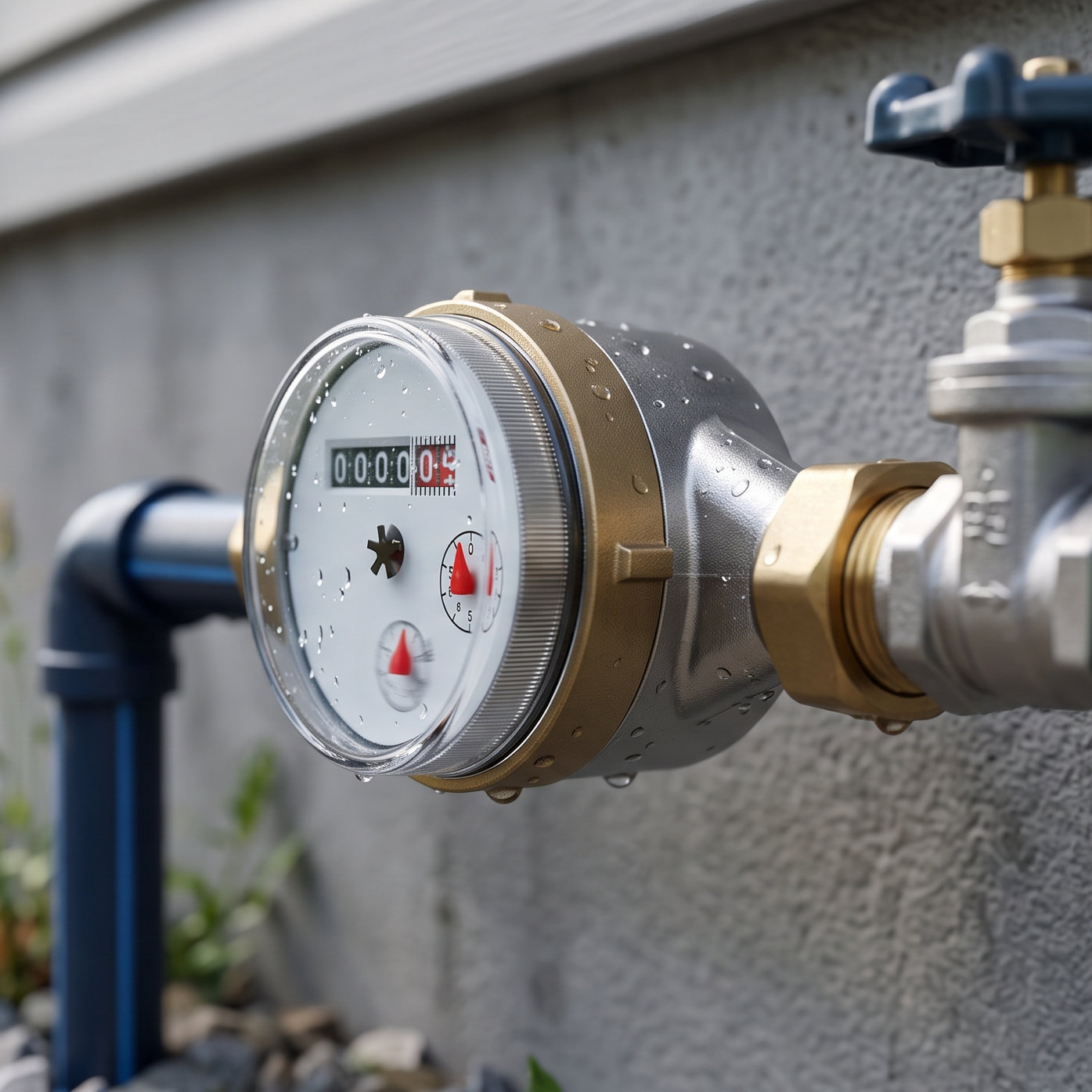
Two bills land back-to-back, and the second is far higher, yet nothing in the house looks wrong. No dripping faucet, no puddle under a sink, no stain on a ceiling. A jump that big with nothing to see is one of the more maddening plumbing situations, because the water clearly went somewhere. The good part is that a high bill with no visible leak nearly always traces to a short list of usual suspects, and you can work through most of them yourself before anyone comes out.
The trick is to check them in order, starting with the cause that hides best and wastes the most.
Where the Water Actually Goes
Your meter counts every gallon that crosses it, so a spike means more water flowed than you meant to use. When you cannot spot the source, the loss is silent, out of sight, or both. Sort the possibilities into three buckets: a hidden leak, a metering quirk, and a real change in use. Most spikes land in the first, and there is a logical sequence for hunting one down, from the easiest check to the hardest.
A Numbered Walk Through Your Own Plumbing
Run these in order. Each one finds the problem or clears a suspect, so the next check means more.
- Dye-test every toilet: A toilet that seeps water from the tank into the bowl is the single most common cause of a mystery bill, and it makes no sound. Take the lid off the tank and drop in enough food coloring to tint the water. Wait ten to fifteen minutes without flushing, then look in the bowl. If color has bled into the bowl, that toilet is leaking past its flapper, and you have likely found the problem. Repeat on each toilet, since more than one can leak.
- Do the meter test: Turn off every water-using thing in and around the house: faucets, dishwasher, washing machine, ice maker, irrigation controller. Read the meter, or watch the small leak-indicator dial many meters have, a tiny triangle, star, or gear that spins at even a trickle. If the numbers keep climbing or that dial keeps turning with everything off, water is escaping on your line. If it holds still, no active leak is running while you watch.
- Check the irrigation and outdoor lines: Sprinkler systems waste water where you almost never look. Walk the yard for a patch that stays soggy, a zone greener than the rest, or a head that weeps after the cycle ends. A cracked lateral line or a valve that will not seat fully lets water run underground on its own schedule, often at night, so it never registers as anything you did.
- Suspect the slab or the underground supply line: If the toilets are dry, the yard looks normal, and the meter still moves, the leak is probably hidden in a spot you cannot open up. That points to a line under the concrete slab or the buried service line between the meter and the house. This is where the do-it-yourself trail ends and a leak-detection visit begins.
The Silent Toilet Deserves Its Own Look
Because the toilet tops the list, it is worth knowing what fails inside it. The usual culprit is the flapper, the rubber seal at the bottom of the tank that lifts when you flush and drops back to hold water in. Rubber hardens and warps with age, and once it stops sealing, water trickles into the bowl and drains away unseen. The other common offender is the fill valve, the tall assembly that refills the tank; when it fails to shut off at the right level, water runs over the internal overflow tube and down the drain around the clock. Both are inexpensive parts to swap.
When the Leak Is Sealed Behind Concrete or Soil
A slab leak is a supply pipe leaking beneath the concrete foundation, where the water soaks into the ground with no puddle inside to give it away. It shows up in quieter ways: a spot on the floor that feels warm underfoot when a hot-water line leaks, the faint hush of running water when the house is silent, or a section of flooring that stays damp. A buried service-line leak behaves the same, disappearing into the soil between the meter and the house.
These are the leaks the meter test catches, but your eyes cannot. A plumber locates them without demolishing the floor by using acoustic gear that picks up the sound of water escaping under pressure, or thermal imaging that reads the temperature difference a hot-water leak leaves behind. Pinpointing the spot first keeps the repair small, rather than turning the whole slab into a project.
The Spike That Is Not a Leak At All
Sometimes the plumbing is fine, and the bill still climbs. A water heater or appliance can be the quiet drain: a heater's temperature-and-pressure relief valve that periodically discharges, or a softener stuck in a repeating regeneration cycle, sends clean water down the drain with nothing visible. And some spikes are due to forgettable changes in use, houseguests, filling a pool, a new high-use appliance, or longer sprinkler runs. A meter can also misread, though that is less common than a leak and is the last thing to suspect. If the meter holds still with all water off and your habits have not changed, ask the utility to test it.
Frequently Asked Questions
A pro isolates systems so the search area shrinks. Closing the shutoff valves under sinks and toilets and then rechecking the meter shows whether the loss is on a fixture branch or the main run. Shutting the valve on the water heater isolates the hot side from the cold; if the leak indication stops, the trouble is on the hot side, which usually means a slab-routed line. From there, acoustic listening equipment, ground microphones, and pinpoint probes follow the hiss of pressurized water to a tight spot, and thermal imaging maps a warm hot-water line under the floor.
The right path depends on the pipe's age and how many leaks it has had. A spot repair opens a small section of slab to replace just the failed length, which suits a single, well-located break. A reroute abandons the bad line in the concrete and runs fresh pipe overhead through walls and the attic, a common choice when the buried pipe is old enough that another leak is likely. Epoxy pipe lining coats the inside of the existing pipe to seal it without breaking concrete at all.
Yes, and it is easy to test. An electric zone valve that fails to close, or a diaphragm that will not seat, can trickle water past it even when the controller shows every zone off. Run each zone manually one at a time and watch for a head that keeps weeping after you advance to the next zone. A cracked riser or a head sheared off at ground level can dump water quickly during its scheduled minutes. Capping the irrigation at its own shutoff for a billing period, then comparing the bill, confirms whether the yard is the source.
It can. A softener regenerates by rinsing its resin bed and flushing the backwash to the drain, a cycle meant to run briefly on a set schedule. When the control valve sticks or a timer fails, the unit can drop into a continuous regeneration loop, sending water down the drain hour after hour with no sign anywhere in the house. A clue is water running near the softener between normal uses, or a drain line that is always wet. Putting the unit in bypass for a day and monitoring the meter quickly isolates it.
If your meter test holds still with all water off, yet the bill still climbed, and nothing in your use changed, you can request a meter accuracy test from the utility. They bench-test the meter against a known volume to check whether it over-registers. Many utilities keep a usage history you can compare month to month, showing whether the spike is a one-time event or a steady climb that points back to a leak. Rule the meter out last, since a misread is far less common than a quiet leak.
Often, yes, and it is worth ruling out first. Overnight houseguests, filling a pool, a new dishwasher or high-capacity washer, extra loads of laundry, or a stretch of hand-watering a lawn all move real gallons that show up next cycle. A single event like refilling a pool can account for a whole spike by itself. Think back over the billing period the bill covers, not the current week, since the reading lags. If a one-time change explains it, the following bill settles back down on its own.
Putting the Clues Together
A high water bill with no visible leak is almost always water slipping away somewhere silent or sealed out of sight, most often a toilet seeping past a worn flapper, and after that, a slab, buried, irrigation, or in-wall line. Walking the steps in order, dye test, then the meter, then the yard, then the hidden lines, tells you quickly whether a leak exists and where to point a plumber. Because these losses run day and night until something stops them, tracing the source sooner keeps the next bill from climbing behind this one.
If your water bill spiked and you can't find the source, we can locate the hidden leak and repair it. Plumbing Professionals serves Pasadena, Altadena, South Pasadena, and the surrounding areas. Call (626) 247-3401.
