
Why Preventative Commercial Plumbing Maintenance Protects Your Bottom Line
Your restroom keeps backing up right before lunch rush, and now customers are lining up while an employee hunts for a plunger. That small plumbing annoyance is quietly draining your business's money every single day.
Preventative commercial plumbing maintenance rarely feels urgent until something fails. In commercial buildings, plumbing systems operate constantly under higher demand than most people realize. When maintenance is ignored, minor wear turns into emergency repairs, downtime, and frustrated tenants or customers. Protecting your bottom line starts with understanding how small plumbing issues can escalate into costly disruptions.
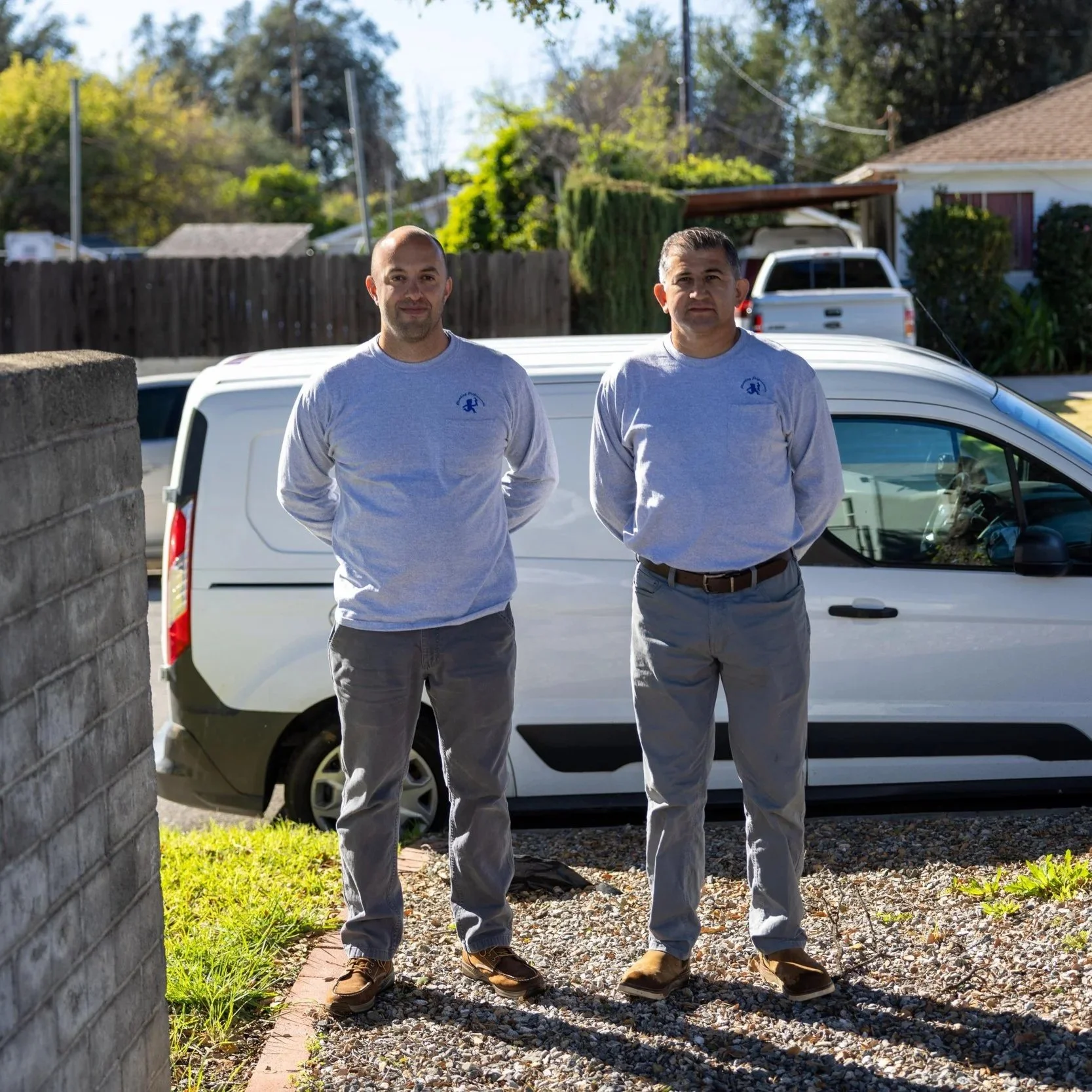
Professional plumbers arriving for preventative commercial plumbing maintenance, helping businesses avoid costly repairs, system failures, and operational disruptions.
The Hidden Cost Of "We'll Deal With It Later"
Many business owners take a reactive approach to plumbing. If water still flows and drains still empty, the system seems fine. That assumption leads to one of the most common and costly mistakes in commercial properties. Waiting until something breaks often multiplies the repair expense and operational impact.
A slow drain in a commercial kitchen may not seem urgent. Over time, grease buildup narrows the interior of pipes, increasing pressure and reducing flow. Eventually, that restriction leads to a complete blockage during peak business hours. The immediate cost includes emergency commercial plumbing repair. The higher cost includes lost revenue, potential concerns from the health department, and damage to your reputation.
Commercial plumbing maintenance identifies these issues early. Routine drain inspections and cleaning address buildup before it becomes a shutdown event. Preventative attention transforms unpredictable emergencies into manageable service appointments.
How Small Leaks Turn Into Major Expenses
A small drip from a supply line above a drop ceiling often goes unnoticed. In commercial buildings, plumbing runs through walls, ceilings, and mechanical spaces that few people inspect regularly. By the time a water stain appears on a ceiling tile, moisture may have been spreading for weeks.
Water intrusion damages insulation, drywall, framing, and electrical components. Mold growth becomes a risk in humid areas. Repairing finishes, replacing materials, and addressing indoor air quality concerns add layers of cost that far exceed the cost of early maintenance.
Business owners frequently ask, "Why did our water bill spike without any obvious leaks?" Hidden leaks are a common answer. Commercial plumbing maintenance includes pressure testing and system checks that detect irregularities before they escalate. Catching those problems early protects both property and profit margins.
Equipment Strain And Shortened Lifespan
Commercial buildings rely on water-connected equipment every day. Dishwashers, ice machines, boilers, water heaters, and specialty production equipment depend on stable pressure and clean supply lines. Inconsistent pressure, sediment buildup, and minor leaks all place additional strain on these systems.
When plumbing systems are not maintained, connected equipment works harder to compensate. Over time, components wear out faster. Replacing high-cost commercial appliances is rarely cheap, and downtime during replacement affects operations.
Preventative commercial plumbing maintenance supports equipment performance by stabilizing pressure, flushing sediment, and identifying early warning signs. Addressing plumbing system health reduces mechanical stress and extends the lifespan of expensive assets. Long-term savings often come from preventing avoidable equipment failures.
Avoiding Code Violations And Compliance Issues
Commercial properties are subject to stricter regulations than residential buildings. Health codes, accessibility standards, and local plumbing requirements all apply. Ignoring maintenance increases the risk of violations that can disrupt business.
Backflow prevention devices, for example, help prevent contamination of potable water. These devices require periodic testing. Failing to maintain or test them may result in fines or mandatory corrective action. Routine commercial plumbing maintenance verifies that safety components function as intended.
Restroom functionality is another compliance factor. In restaurants and public-facing businesses, restroom closures due to plumbing failure can trigger inspections or penalties. Proactive maintenance reduces the risk of compliance-related interruptions that affect operations and public trust.
The Myth That Maintenance Is An Unnecessary Expense
Some property managers and business owners view maintenance as optional. If no visible problems exist, maintenance feels like an extra line item on the budget. That mindset often stems from misunderstanding how plumbing systems age and degrade.
Pipes corrode internally over time. Valves stiffen and lose reliability. Flexible connectors weaken. These changes occur gradually and rarely announce themselves until failure happens. Commercial plumbing maintenance identifies aging components and addresses them before rupture or malfunction.
Cheaper alternatives, such as temporary patches or repeated minor repairs, often end up costing more in the long run. Replacing a compromised valve during scheduled maintenance is far less disruptive than addressing a burst pipe during business hours. Investing in maintenance supports predictable budgeting and reduces emergency service costs.
Business Continuity And Tenant Satisfaction
In multi-tenant buildings, plumbing stability directly affects tenant satisfaction. Recurring plumbing problems can be frustrating and may influence lease renewal decisions. Property owners who prioritize commercial plumbing maintenance demonstrate responsible management.
Tenants expect consistent utilities. Water pressure fluctuations, frequent drain issues, or recurring odors undermine confidence. Preventative attention communicates that building infrastructure is a priority. That perception supports long-term occupancy and protects rental income.
In retail and hospitality environments, customer experience is equally important. Clean, fully functional restrooms reflect positively on a business. Preventative maintenance reduces the likelihood of unpleasant surprises that impact public perception.
Planning Around Operational Schedules
One of the biggest advantages of preventative commercial plumbing maintenance is control over timing. Emergency repairs rarely happen at convenient moments. Preventative service appointments can be scheduled during off-hours or slower periods.
Phased maintenance plans allow businesses to plan around operational needs. Instead of reacting to a burst pipe during peak hours, owners can coordinate service when disruption is minimal. That planning reduces stress and financial impact.
At Plumbing Professionals, we often see how businesses benefit from structured maintenance programs. Regular inspections provide a clear picture of system health. Owners can make informed decisions about upgrades and repairs before issues escalate.
Long-Term Financial Stability
Preventative commercial plumbing maintenance is about financial predictability. Emergency plumbing repairs often involve urgent labor rates, water damage restoration, and potential revenue loss. Those costs are difficult to anticipate and budget for.
Scheduled maintenance creates predictable expenses. Small, manageable service visits replace large, unexpected repair bills. Over time, that stability supports better financial planning and reduces operational risk.
Business owners frequently search, "Is commercial plumbing maintenance worth the cost?" The answer becomes clear when comparing the expense of maintenance to the financial impact of a single major plumbing failure. Investing in system health protects profitability.
Reducing Stress And Operational Disruption
Plumbing failures create immediate stress for management teams. Coordinating emergency repairs, communicating with staff or tenants, and managing cleanup efforts diverts attention from core business activities.
Preventative commercial plumbing maintenance reduces those distractions. Knowing that your plumbing system has been inspected and maintained provides confidence. Instead of reacting to crises, you can focus on running your business.
Plumbing infrastructure often goes unnoticed when it functions properly. When it fails, it demands immediate attention. Proactive care keeps plumbing in the background where it belongs.
