
How Trenchless Sewer Line Repair Works Without Tearing Up Your Yard
You finally get told you need sewer repairs, and your first thought isn't about pipes. It's about your lawn, your driveway, maybe that patio you just paid off. You picture trenches cutting across the yard and weeks of mud, noise, and daily frustration just to fix something buried underground.
That fear is exactly why so many homeowners start looking into trenchless sewer line repair. The idea that a major sewer problem can be fixed without tearing up your entire yard sounds almost too good to be true. In many cases, though, it is very real and very practical.
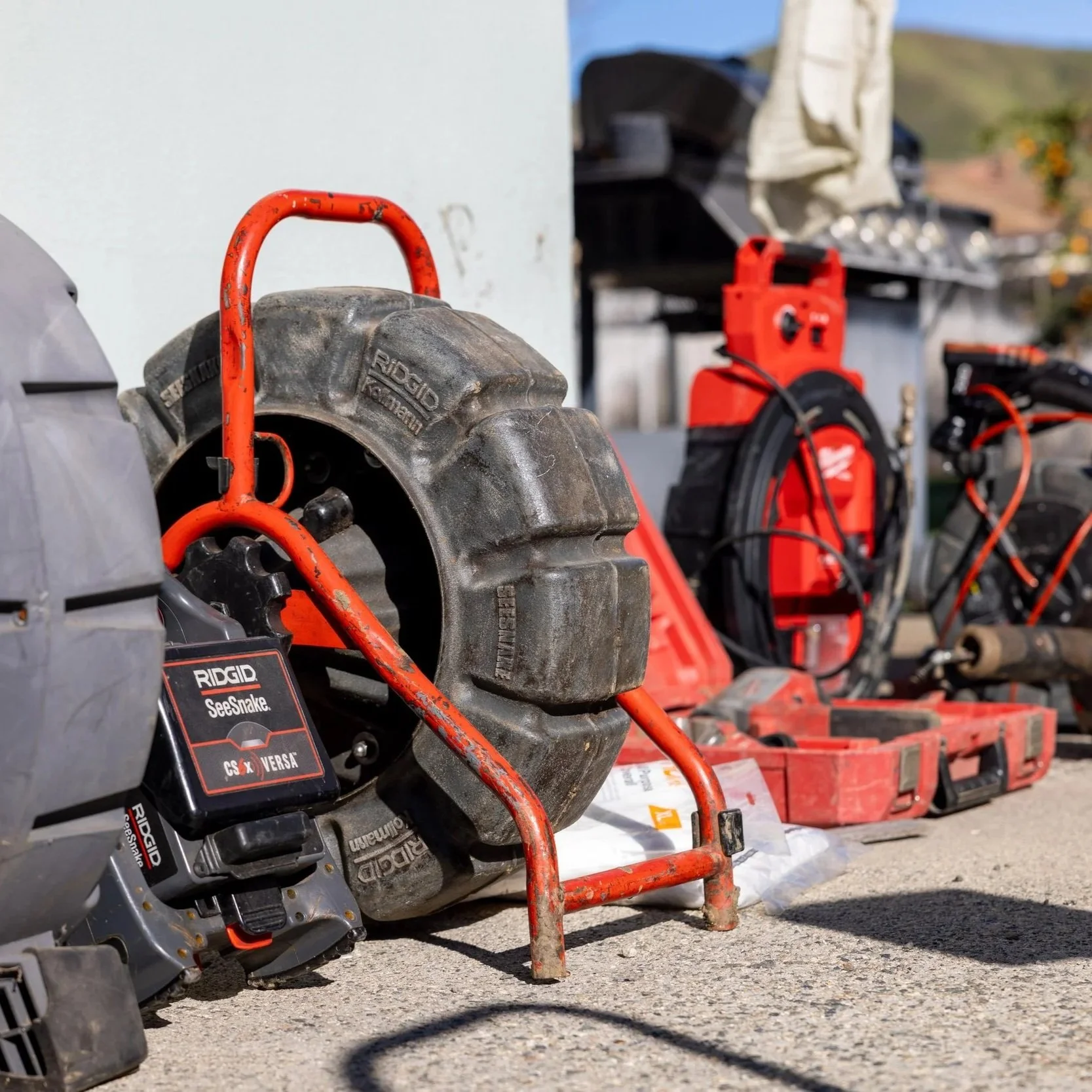
Professional trenchless sewer repair equipment used for pipe inspection and repair, supporting sewer line restoration without major excavation or yard damage.
What Trenchless Sewer Line Repair Actually Means
A lot of homeowners type into a search bar, "What is trenchless sewer line repair and does it really work?" The term sounds technical, but the concept is straightforward. Traditional sewer repair requires digging a long trench to expose the damaged pipe. Trenchless sewer line repair, on the other hand, uses existing access points and specialized equipment to repair or replace the pipe with minimal excavation.
Instead of opening the entire length of your yard, plumbers create one or two small access points. From there, they either insert a liner into the existing pipe or pull a new pipe through the old one. The surface disruption is significantly reduced compared to full excavation.
Trenchless sewer line repair is not a shortcut. It is a different method that relies on technology and careful planning rather than open trench digging. When done correctly, it restores structural integrity and flow while preserving landscaping, hardscaping, and overall property appearance.
Why Homeowners Fear Traditional Excavation
It is not just about aesthetics. When homeowners hear they need sewer repair, they imagine weeks of disruption. They think about heavy equipment parked outside, fences removed, sprinklers damaged, and rising restoration costs. That emotional reaction is understandable.
Traditional excavation does have its place. If a pipe has completely collapsed or the layout is complex, digging may be necessary. However, in many cases, trenchless sewer line repair can achieve the same structural results without the widespread surface damage.
The fear often comes from not knowing what is possible. Years ago, excavation was the only option. Technology has changed that. Modern trenchless methods allow us to address many sewer line issues with a smaller footprint, reducing stress for homeowners.
How Pipe Lining Works From The Inside Out
One of the most common trenchless sewer line repair methods is pipe lining, also known as cured-in-place pipe. Homeowners often ask, "How can you fix a pipe without digging it up?" The answer lies in reinforcing the existing structure from the inside.
First, the damaged line is cleaned thoroughly. Any debris, roots, or buildup is removed, leaving the interior surface ready. Then a flexible liner coated with a specialized resin is inserted into the pipe. Once positioned correctly, the liner is inflated and left to cure. As it hardens, it forms a new pipe within the old one.
That new inner lining seals cracks, covers small joint separations, and restores smooth flow. The result is a continuous, joint-free pipe that resists root intrusion and corrosion. Trenchless sewer line repair through lining is particularly effective when the existing pipe still has a relatively intact shape but suffers from cracks or leaks.
How Pipe Bursting Replaces The Line Underground
Another trenchless sewer line repair method is pipe bursting. When the existing pipe is severely damaged and cannot be lined effectively, pipe bursting may be a better solution. Homeowners sometimes search, "Can trenchless replace my whole sewer line?" The answer is yes, depending on site conditions.
Pipe bursting involves pulling a new pipe through the old one while simultaneously breaking apart the original pipe. A bursting head attached to the new pipe fractures the old material outward into the surrounding soil. As it moves forward, the new pipe takes its place along the same path.
Only small access pits are required at the start and end points. Your yard is not open from end to end. Trenchless sewer line repair through pipe bursting provides a full replacement while minimizing surface impact. It is often used when structural failure is more extensive, but the pipe route remains accessible.
When Trenchless Is Not The Right Fit
It is important to be honest about limitations. Trenchless sewer line repair is not appropriate in every situation. If the pipe has completely collapsed in multiple sections or if the route is severely misaligned, excavation may still be necessary.
Another factor is depth and access. Extremely deep lines or lines located beneath complex structural features can limit trenchless feasibility. A thorough camera inspection and evaluation determine whether trenchless methods are suitable.
A common homeowner mistake is assuming trenchless is always cheaper or always possible. While it often reduces restoration costs and surface damage, the decision depends on pipe condition and layout. An experienced sewer line service provider will recommend trenchless methods only when they offer a durable, long-term solution.
The Real Benefits Beyond Landscaping
Many people focus only on the yard, but trenchless sewer line repair offers additional benefits. Reduced excavation typically means shorter project timelines. Less soil displacement lowers the risk of settling issues later. Hardscape features like driveways and walkways often remain intact.
There is also a practical side to daily life. Fewer open trenches mean less mud, less dust, and less disruption to household routines. If you have children or pets, limiting exposed work areas adds an extra layer of convenience and safety.
Long-term, trenchless methods can provide a smooth interior pipe surface, improving flow efficiency. Reduced joints mean fewer entry points for roots. That can help reduce the likelihood of future blockages, leading to fewer service calls and less frustration over time.
What The Process Looks Like Step By Step
Homeowners frequently ask, "What happens during trenchless sewer line repair?" The process starts with inspection. A camera is inserted into the line to evaluate damage and measure length. That information guides the repair plan.
Next comes cleaning. High-pressure water jetting removes buildup, roots, and debris. Proper preparation is critical. Without a clean interior, liners cannot bond effectively, and bursting equipment cannot move smoothly.
After preparation, the selected trenchless method is carried out. For lining, the resin-coated liner is inserted and cured. For pipe bursting, the new pipe is pulled through the old one. Once completed, a final camera inspection verifies alignment, structural integrity, and proper flow.
Trenchless sewer line repair still requires skill and precision. It is not a quick patch. It is a carefully executed structural solution performed underground with minimal surface disturbance.
Long-Term Durability And Performance
A reasonable question homeowners ask is, "Will trenchless sewer line repair last as long as traditional replacement?" When installed properly, trenchless systems are designed to last decades. The materials used in modern liners and replacement pipes are resistant to corrosion and root intrusion.
Older clay and cast-iron lines fail due to joints, material degradation, and shifting soil. Trenchless methods often eliminate joints along repaired sections, which reduces weak points. That continuous structure improves resilience over time.
Durability depends on proper installation and accurate assessment. Choosing trenchless for the wrong situation can create future issues. Choosing the right one can provide long-term reliability with far less disruption than traditional excavation.
Reducing Stress And Protecting Property Value
Sewer problems are stressful. The idea of a major excavation can amplify that stress. Trenchless sewer line repair changes the conversation from destruction and rebuilding to precision and preservation.
Protecting landscaping, hardscaping, and structural features helps maintain property value. It also avoids secondary repair costs that often accompany large excavation projects. Instead of replacing sections of driveway or rebuilding garden beds, many homeowners retain the original layout of their property.
At Plumbing Professionals, we approach trenchless sewer line repair as a tool, not a gimmick. It is one option among several. When conditions are right, it provides a reliable solution that respects both the home's plumbing system and the homeowner's investment in their property.
