
Why Does Sewage Keep Coming Up In My Shower?
You flush the toilet, and instead of disappearing, the water in your shower starts to rise and gurgle, as if it's about to spill over. Then the bathroom smells sour for hours, and you are left wondering if you are one more load of laundry away from a full-blown mess on the floor.
That is not a simple clog. When multiple fixtures react at the same time, it often points to a deeper problem in the main line, and sewer line repair may be the only real solution. Ignoring it rarely makes it go away. It usually makes it worse.
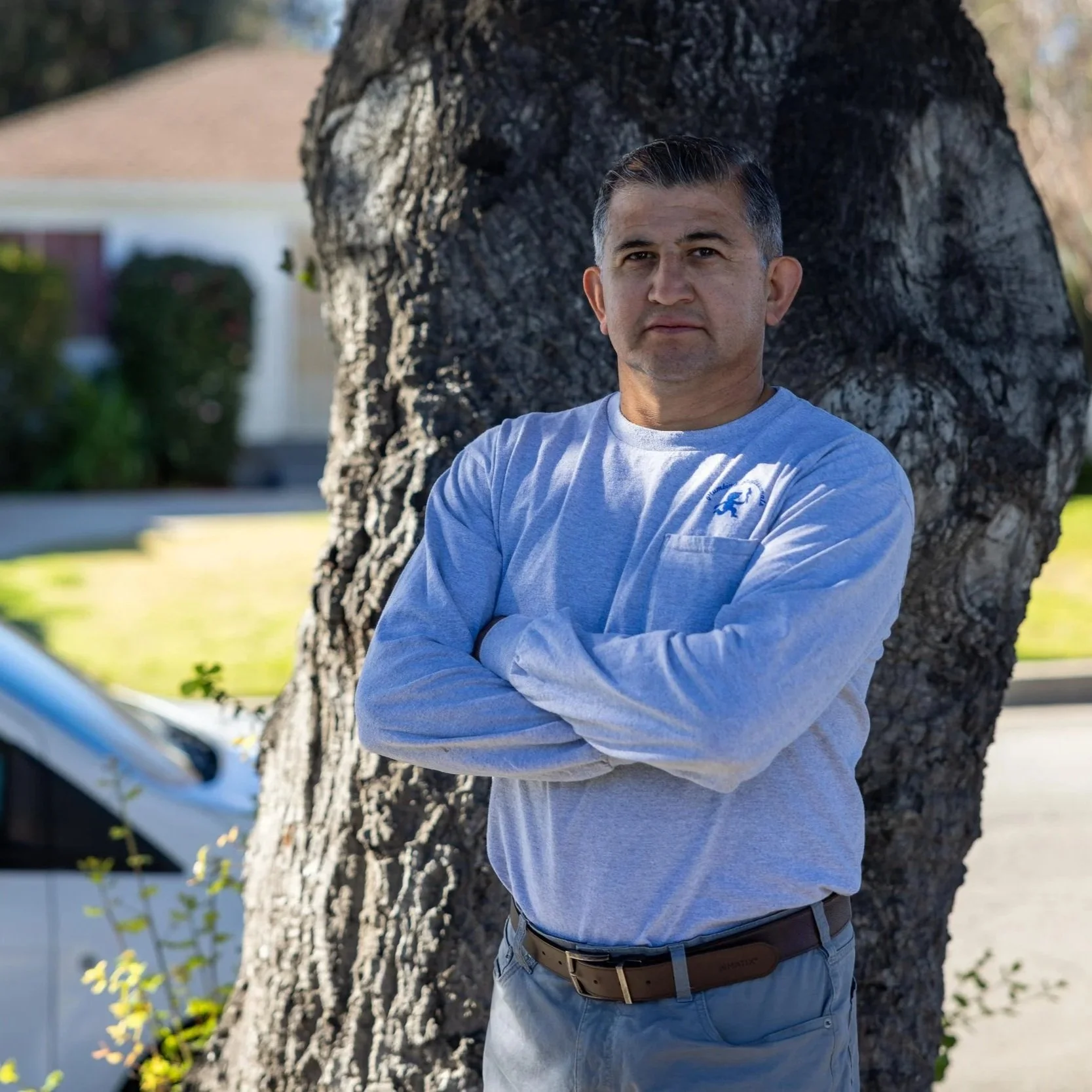
Professional plumber discussing sewer line repair solutions, helping homeowners resolve recurring drain backups and sewage problems affecting multiple plumbing fixtures.
When Multiple Drains Act Up At Once
One of the most common things homeowners type into a search bar is, "Why are all my drains slow at the same time?" That question alone tells you the issue is probably not isolated to a single sink or toilet. When the shower, toilet, and bathroom sink all struggle together, the problem usually lives in the main sewer line.
Your home's plumbing system works like a tree turned upside down. All the smaller branch lines feed into a larger main pipe that carries wastewater to the city connection or the septic system. If that main pipe becomes partially blocked, everything upstream begins to react. Water drains slowly. Toilets bubble. You hear gurgling behind walls.
At first, the symptoms can seem minor. You might plunge a toilet and get temporary relief. You might assume someone used too much toilet paper. However, repeated multi-fixture issues are a strong warning sign that sewer line repair should at least be evaluated. Waiting until wastewater backs up onto the floor turns a manageable repair into a disruptive and expensive cleanup.
The Slow Drain That Never Quite Clears
Another common search is, "Why does my shower keep draining slowly even after I snake it?" That lingering slow drain often points to buildup or damage further down the line. If a basic cleaning does not restore proper flow, the restriction may not be near the fixture at all.
In many homes, grease, debris, scale buildup, or even small root intrusions gradually reduce the pipe's internal diameter. Over time, what started as a slight narrowing becomes a significant bottleneck. Water drains, but not efficiently. You stand in a puddle during every shower. That daily inconvenience builds frustration.
If that restriction remains unaddressed, pressure in the line increases. Debris accumulates faster. Eventually, the slow drain becomes a full blockage. Sewer line repair becomes more urgent once the pipe's structural integrity is compromised. Addressing the underlying issue early can prevent more invasive work later.
Unpleasant Odors Inside Or Outside The Home
Few things cause concern faster than the smell of sewage inside your home. If you notice persistent odors in a bathroom, basement, or even near your yard, that smell should not be ignored. Sewer gas odors can indicate a break, crack, or separation in the line.
Some homeowners assume the issue is a dried-out trap under a sink. While that can happen, persistent smells often mean wastewater is not flowing out properly or is leaking into the surrounding soil. A damaged sewer line can allow both gases and liquid waste to escape.
Professional sewer line repair addresses both the blockage and any structural failure that allows odors to enter your living space. Beyond the discomfort, prolonged exposure to sewer gas is not something most homeowners want to risk. Acting quickly protects both the property and the people living in it.
The Soggy Patch In The Yard You Keep Ignoring
You may not think much of a small, consistently damp area in your yard. Maybe you assume it is just poor drainage. However, if that patch sits above your sewer line and never seems to dry out, it may signal an underground leak.
When a sewer pipe cracks or separates, wastewater can seep into the soil. That extra moisture feeds grass and plants, making the area look unusually green compared to the rest of the yard. Some homeowners even notice faster plant growth in that spot.
Delaying sewer line repair in that scenario allows the leak to continue. Soil can erode around the pipe. Over time, that erosion may lead to shifting or sagging sections. What began as a small crack can turn into a partial collapse. Repairing a localized break is far less disruptive than addressing a fully compromised line.
What Most Homeowners Get Wrong About Sewer Problems
A common assumption is that sewer issues only happen in very old homes. While aging pipes are more vulnerable, newer homes are not immune. Ground shifting, improper installation, heavy equipment traffic during construction, and even tree root growth can damage relatively modern sewer lines.
Another misconception is that if water eventually drains, the system is fine. Slow drainage is often the first stage of a developing problem. The pipe may still be functioning, but not at full capacity. That reduced capacity means it cannot handle peak usage, such as running a washing machine while someone showers.
Sewer line repair is not always about catastrophic failure. Sometimes it is about correcting a developing issue before it reaches that point. Understanding that distinction helps homeowners make informed decisions rather than reacting only when things become urgent.
How A Camera Inspection Changes Everything
Guessing at sewer problems leads to frustration and unnecessary work. Modern sewer line services rely on camera inspections to see exactly what is happening underground. A small camera travels through the pipe, providing real-time visuals of blockages, cracks, root intrusion, or collapsed sections.
Homeowners are often surprised by what the footage reveals. In some cases, a heavy buildup of grease or debris is the main issue. In others, there is visible separation at pipe joints or evidence of structural damage that requires sewer line repair.
At Plumbing Professionals, we rely on that evidence before recommending major work. Seeing the condition of the pipe removes uncertainty. It allows us to determine whether cleaning is sufficient or whether repair or replacement is necessary. That clarity builds trust and prevents unnecessary disruption.
The Cost Of Waiting Too Long
It is understandable to hesitate when considering sewer line repair. Underground work sounds disruptive and expensive. However, waiting too long often increases both the scope and cost of the repair.
A partially cracked pipe may only need a targeted fix. A fully collapsed line may require more extensive excavation. Backups that damage flooring, drywall, and personal belongings add another layer of expense. There is also the emotional toll of dealing with repeated plumbing failures.
Living with uncertainty about whether your bathroom will flood during a family gathering or holiday weekend creates ongoing stress. Addressing warning signs early reduces that stress and keeps your home functioning the way it should. Sewer line repair, when handled promptly, often prevents far greater inconvenience down the road.
Long-Term Protection For Your Home
After sewer line repair, homeowners often ask how to prevent future issues. Regular inspections are a practical step, especially if the home has mature trees nearby or older pipe materials. Being mindful of what goes down drains also makes a difference. Avoiding grease disposal in sinks and limiting flushable products reduces buildup.
Landscaping awareness matters as well. Large trees planted directly above sewer lines create long-term risk. While not every tree needs to be removed, understanding root patterns helps guide future planting decisions.
Sewer systems are not something most people think about daily. However, they play a critical role in the comfort and functionality of your home. Paying attention to early warning signs and acting decisively protects your property and your peace of mind.
