
Signs Your Commercial Plumbing System Needs Immediate Professional Repair
The restroom floor is wet again, and nobody can tell you why. Now you are fielding complaints from employees or tenants while wondering how long it is before that small leak turns into a shutdown.
That is usually how commercial plumbing repair situations begin, not with a dramatic pipe burst, but with something subtle that keeps coming back. In a commercial setting, small plumbing issues rarely stay small. They disrupt operations, create safety hazards, and chip away at your bottom line faster than most business owners expect.
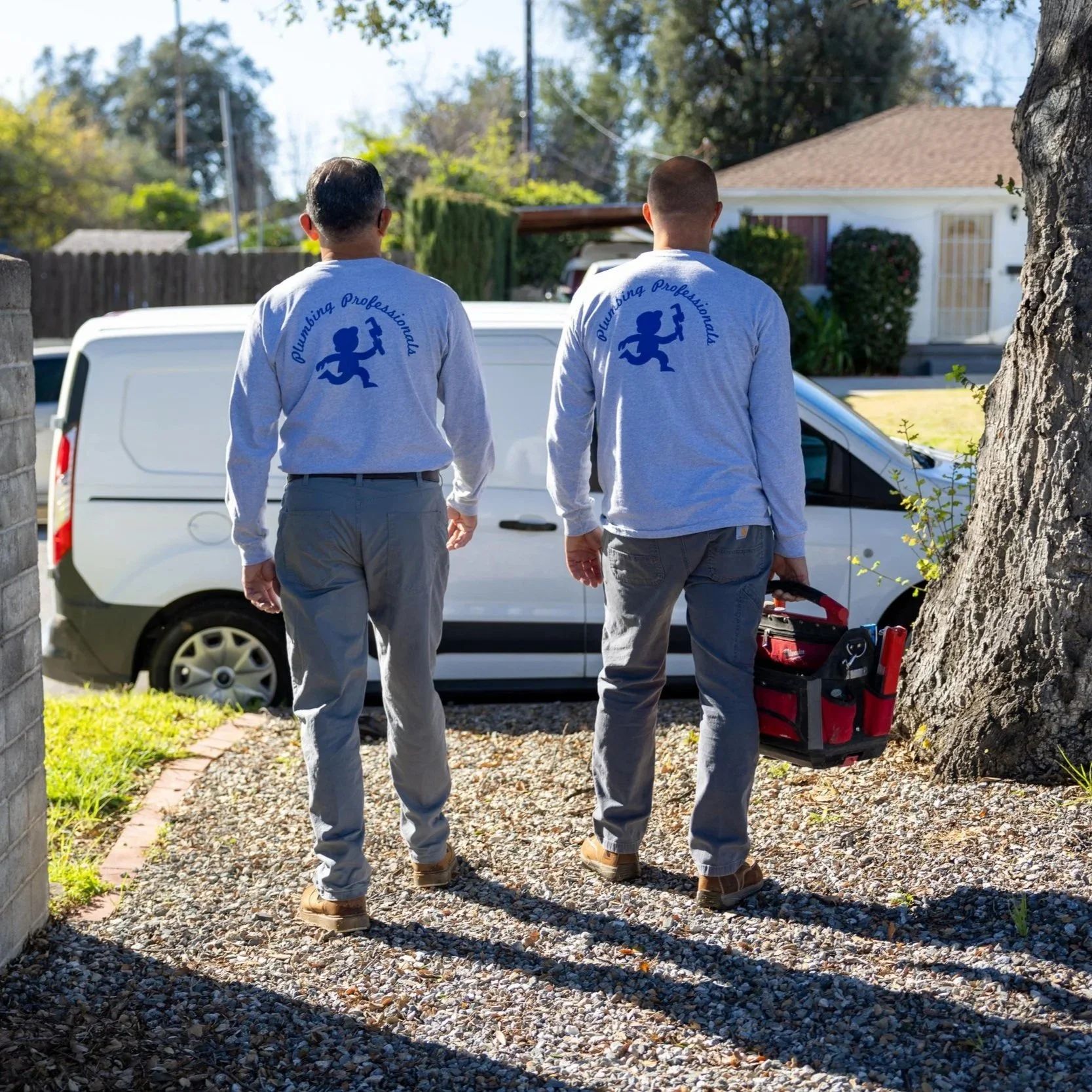
Professional plumbers arriving with tools to inspect plumbing system after signs of leaks, pressure issues, and recurring commercial restroom backups.
When Restrooms Keep Backing Up During Peak Hours
Few things create instant frustration like a restroom backing up in the middle of a busy workday. Whether you manage an office, restaurant, retail space, or multi-tenant building, restroom reliability directly affects customer perception and employee morale. When drains overflow or toilets clog repeatedly, it is more than an inconvenience. It is a warning sign.
Recurring backups often indicate deeper blockages or venting issues within the system. In commercial properties, drain lines handle higher volumes of waste and paper products. Over time, buildup narrows the interior diameter of pipes. A quick snaking may restore temporary flow, but repeated clogs suggest the need for professional commercial plumbing repair that addresses the underlying cause.
Ignoring these warning signs increases the likelihood of wastewater spilling onto floors. Beyond the unpleasant odor and visible mess, standing water creates slip hazards and potential health concerns. Immediate evaluation prevents minor blockages from becoming major sanitation issues.
When Water Pressure Changes Without Explanation
If tenants or employees start asking why sinks feel weak or why showers in locker rooms fluctuate between hot and cold, your plumbing system is telling you something. Commercial buildings rely on stable pressure to support simultaneous use across multiple fixtures. Sudden changes in pressure rarely resolve on their own.
Pressure drops may result from hidden leaks, partially closed valves, or mineral buildup restricting flow. In some cases, excessively high pressure is the problem: high pressure strains fittings, seals, and appliance connections. Over time, that strain leads to leaks behind walls or above ceilings. Professional commercial plumbing repair includes pressure testing to identify imbalances before they cause structural damage.
Many property owners search, "Why did my water bill go up, but usage stayed the same?" Unexplained increases often tie back to leaks within the system. Even a small leak inside a wall can waste thousands of gallons over time. Detecting and correcting pressure irregularities protects both your building and your operating budget.
Unusual Sounds In Walls Or Ceilings
Hearing banging, whistling, or gurgling inside walls is unsettling. In commercial properties, those sounds may indicate water hammer, loose piping, or venting problems. Water hammer occurs when fast-moving water suddenly comes to a stop, sending shockwaves through pipes. Over time, those shockwaves weaken joints and fittings.
Loose pipes amplify noise and increase wear. In a busy commercial building, vibration happens frequently. If pipes are not properly supported, movement accelerates joint fatigue. Commercial plumbing repair addresses both the symptom and the structural cause, securing piping and correcting pressure fluctuations.
Gurgling drains often point to venting issues. Vent pipes allow air into the system so wastewater flows smoothly. Blocked or improperly sized vents create negative pressure, leading to slow drainage and odor problems. Correcting venting issues restores proper system balance and reduces the risk of backups.
Persistent Odors That Will Not Go Away
When unpleasant odors linger in restrooms, kitchens, or utility areas despite cleaning, the plumbing system may be the source. Dry traps, cracked drain lines, or blocked vents allow sewer gases to escape into occupied spaces. In commercial settings, odors affect customer perception and staff comfort.
Business owners sometimes assume odor issues are purely a housekeeping matter. In reality, persistent smells often require commercial plumbing repair. Inspecting floor drains, trap seals, and vent stacks helps identify where gases are entering the building.
Ignoring sewer odors is not just uncomfortable; it's dangerous. It may indicate deeper issues such as damaged piping or deteriorated seals. Addressing these problems promptly protects indoor air quality and reduces the risk of more extensive repairs later.
Visible Water Stains Or Soft Ceiling Tiles
Water stains on ceiling tiles or walls are clear red flags. In multi-level commercial buildings, leaks from upper floors often show up as discoloration or sagging in ceiling panels below. That visible stain usually represents ongoing leakage rather than a one-time event.
Once water penetrates ceiling cavities or wall assemblies, it can damage insulation, electrical components, and structural framing. Mold growth becomes a concern when moisture lingers. Commercial plumbing repair in these cases focuses on locating the exact source of the leak rather than simply replacing damaged finishes.
Some property managers resort to temporary fixes, such as patching a ceiling tile or tightening a visible fitting. Those measures may slow symptoms, but do not resolve the root problem. Professional repair identifies compromised joints, aging supply lines, or faulty fixtures contributing to the leak.
When Equipment Is Constantly Breaking Down
Commercial kitchens, laundry facilities, and manufacturing operations depend on water-connected equipment. Dishwashers, ice machines, boilers, and specialty appliances rely on a stable supply and drainage. Frequent breakdowns often signal plumbing system stress rather than isolated equipment failure.
Inconsistent pressure, sediment buildup, or temperature fluctuations place strain on connected equipment. Over time, repeated stress shortens the lifespan of appliances. Commercial plumbing repairs that stabilize pressure and correct flow issues reduce wear on high-cost equipment.
Business owners sometimes focus on replacing malfunctioning appliances without evaluating upstream plumbing conditions. Addressing the larger system prevents recurring failures and supports smoother operations.
The Cost Of Waiting Too Long
Delaying commercial plumbing repair may seem like a short-term cost-saving measure. In practice, it often increases total expense. Minor leaks evolve into major water damage. Small clogs can turn into full drain-line blockages. High pressure weakens pipes until a rupture forces an emergency shutdown.
Downtime in commercial environments carries financial consequences. Closing restrooms, halting kitchen operations, or vacating tenant spaces interrupts revenue. Emergency repairs frequently require after-hours labor at higher rates. Acting promptly when warning signs appear reduces disruption and preserves profitability.
At Plumbing Professionals, we have seen how early intervention prevents extensive property damage. Commercial plumbing repair is not about reacting to disasters. It is about recognizing early signals and correcting them before operations are affected.
When To Call For Immediate Professional Repair
If you notice recurring backups, unexplained increases in water usage, persistent odors, visible leaks, or unusual noises, it is time to bring in experienced professionals. Commercial plumbing systems operate under constant demand. Small irregularities often point to larger vulnerabilities within the network.
Professional commercial plumbing repair includes a comprehensive system evaluation. Pressure testing, leak detection, drain inspection, and vent assessment provide a full picture of system health. Clear explanations allow property owners to make informed decisions about corrective action.
Commercial properties represent significant investments. Protecting plumbing infrastructure protects tenants, customers, employees, and revenue streams. Addressing issues promptly reduces risk and supports long-term performance.
